
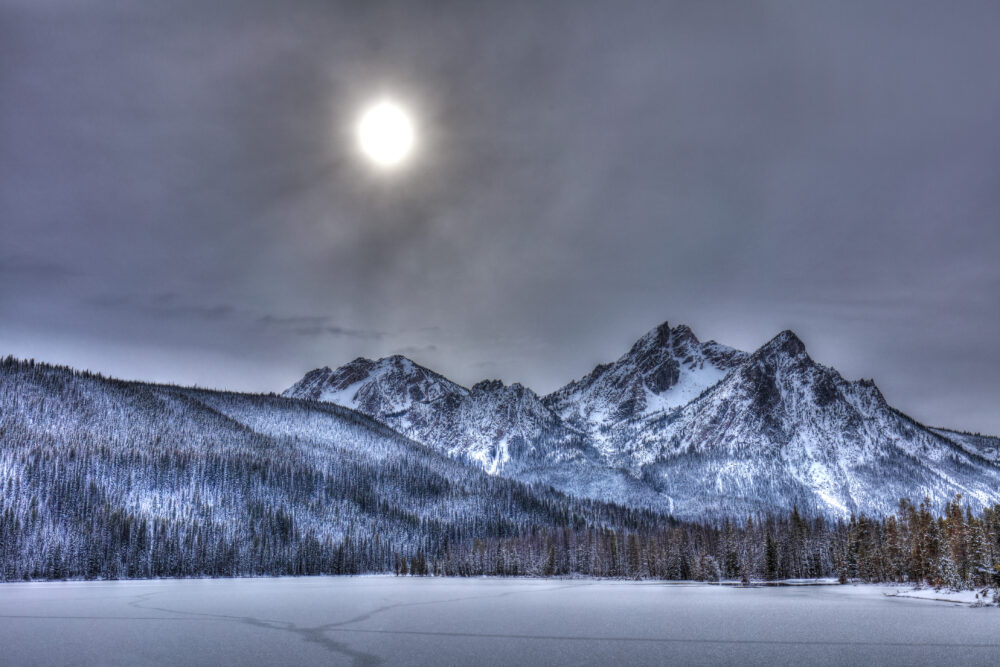
Have you ever wondered how to photograph winter landscapes? Winter scenes offer a unique kind of beauty. Think of crisp air, soft light and endless white snow. Many photographers shy away from the cold. But those who brave the elements find amazing chances for stunning pictures. This guide helps you beat the cold and capture winter’s charm with your camera.
From sparkling snow on tree branches to misty morning views, winter paints a picture like no other season. Knowing how to change your gear, settings and approach is key. It helps turn regular sights into amazing photos. Get ready to learn the secrets of catching frost-kissed views, heavy snowfalls, and the quiet beauty of a frozen world.
Quick Planning
It may seem obvious, but check the weather! Just because it looks lovely outside does not mean it will be safe to venture too far from home. Heavy snows or plunging temperatures may not be far away and they can be life threatening. Plan accordingly with apps like Windy that show what weather is coming and from which direction.
Essential Gear for Winter Landscape Photography
Cold-Weather Camera Care and Protection
When you photograph winter landscapes extreme cold can hurt your camera. It makes batteries die fast and affects how electronics work. You need to keep your gear safe and warm for it to run right. Taking good care of your camera in winter means it will last longer.
- Use extra batteries. Keep them warm in an inside pocket of your coat.
- Put a camera cover or rain sleeve on your camera. This adds warmth and keeps moisture out.
- Let your camera warm up slowly indoors. This stops water from forming inside it.
Lens Selection for Snowy Scenes
Picking the right lens makes a big difference in snow. Different focal lengths work well for various winter shots. Zoom lenses offer flexibility. Prime lenses can give sharper images in tough conditions.
- Wide-angle lenses, like a 16-35mm, are perfect for big snowy views and grand skies.
- Telephoto lenses, around 70-200mm, let you pick out details. Think of snow-covered trees or far-off mountains.
- Choose lenses with good weather sealing. This protects them from snow and ice.
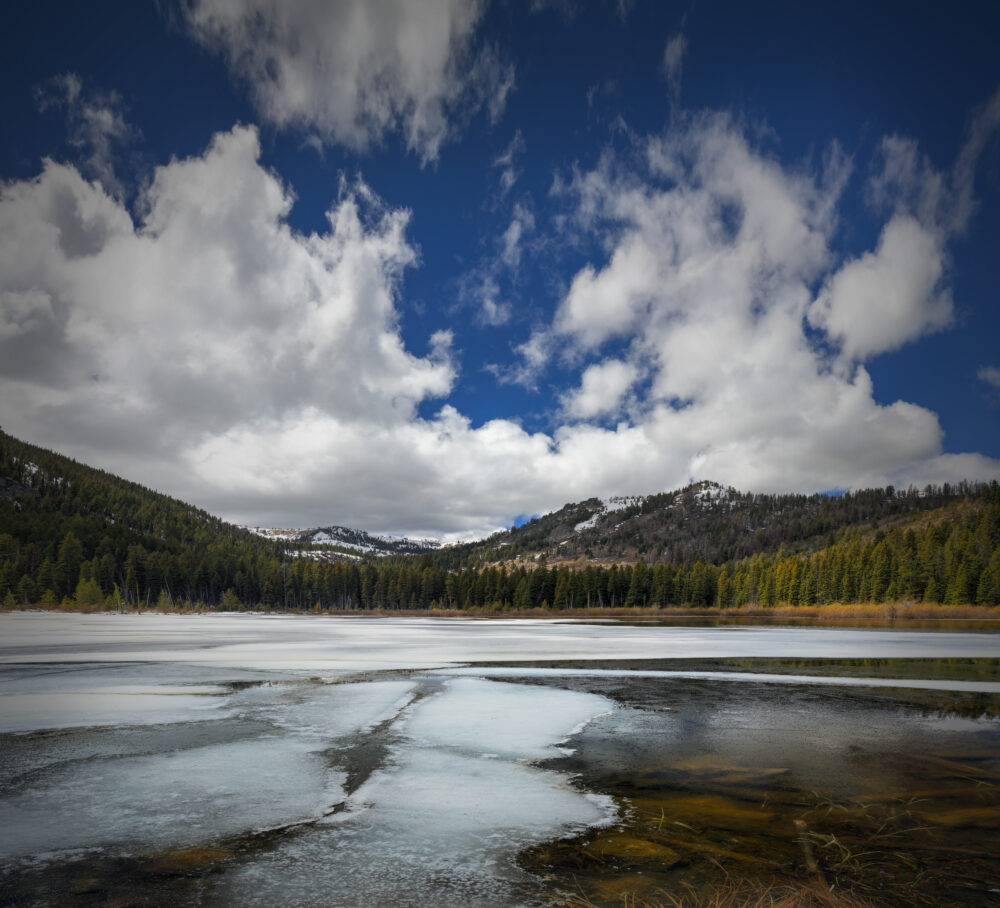
Critical Accessories for Your Comfort and Safety
Beyond your camera, some other items are a must. They make your winter photo trips much better. Being comfy and safe helps you focus on getting the best shots. You’ll thank yourself later for being prepared.
- Wear good gloves. Some photo gloves have fingertips that fold back.
- A headlamp helps a lot for early morning or late evening shoots.
- Dress in layers and wear warm, waterproof boots.
- Keep some dry clothes in your car to change into should you need them.
Mastering Exposure and Settings in Snow
The Challenge of White Balance
Snow often fools your camera’s auto white balance. This can make your beautiful white snow look too blue when you photograph winter landscapes. Your camera tries to make everything a neutral grey. But snow is bright and fresh snow very bright, so it can look off once you review when you get home.
- Always shoot in RAW format. This lets you fix white balance later on your computer.
- Set your white balance manually to “Daylight” or “Cloudy.” This often makes snow look truer.
- Try using a gray card for custom white balance. This gives the most exact colour.
Achieving Correct Exposure: Metering Modes and Exposure Compensation
Getting the right exposure for snow is tricky. Cameras often underexpose bright snowy scenes. This makes the snow look grey, not white. You might lose details in the brighter parts of your picture.
Let’s say you point your camera at a bright, snowy field. The camera might think it’s too bright. It will then make the photo darker. This leaves you with snow that looks dull and shadows that are too dark.
- Use spot metering on something mid-toned, if you can find one. Otherwise, use evaluative or matrix metering.
- Add exposure compensation, usually from +0.7 to +2 stops. This helps snow look truly white.
- Check your histogram often. It shows if you are losing details in bright or dark areas.
Understanding Dynamic Range in Winter Light
Winter light can create big differences between bright snow and deep shadows. This is called high dynamic range. Managing this contrast is key to getting a good photo. Sometimes, parts of your photo might be too bright or too dark.
- Shoot during golden hours. This means sunrise and sunset. The light is softer then.
- Use graduated neutral density (GND) filters. They help balance the light between the sky and the ground.
- Take several shots at different exposures. You can combine these later for a High Dynamic Range (HDR) image.
Compositional Techniques for Winter Landscapes
Harnessing the Power of Leading Lines
Leading lines help guide the viewer’s eye. They lead the eye through your image. In snowy scenes, nature gives you many chances for these lines. They create a path for someone looking at your photo.
- Look for snow-covered trails, fences, rivers, or forest edges. These make great leading lines.
- Use these lines to point to your main subject. This draws attention right where you want it.
Utilizing Silhouettes and Contrasts
Winter’s stark look is great for silhouettes. You can make dramatic shapes against a bright sky when you photograph winter landscapes. Contrasts also stand out a lot in the white landscape. This adds drama and interest to your photos.
Imagine a single, bare tree against a bright, cloudy sky. This creates a very strong silhouette. Its dark shape pops against the light.
- Place your subject against a bright sky or a wide snowfield.
- Deliberately underexpose your shot. This helps you get that strong silhouette effect.
- Look for colors that stand out. Dark evergreen trees against white snow look amazing.
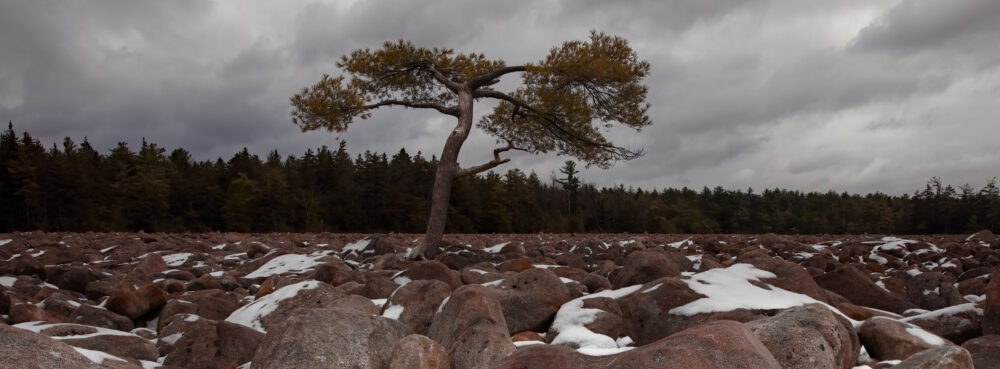
The Beauty of Minimalism in Winter
Winter’s quiet colors and simple shapes are perfect for minimalist photos. This style focuses on fewer items. It highlights quiet and clear details. Minimalism can make a powerful statement.
- Focus on simple shapes and interesting textures.
- Pick out just one thing, like a branch covered in snow or a single footprint.
- Use empty space around your subject. This gives a feeling of peace and quiet.
Capturing Specific Winter Phenomena
Photographing Snowfall and Blizzards
Catching falling snow in a photo can be tricky. You can show individual flakes or long streaks of snow. It depends on your shutter speed. Blizzards add drama and movement to your pictures.
- Use a faster shutter speed, like 1/125 second or quicker. This will freeze individual snowflakes in the air.
- Try a slower shutter speed, maybe 1/30 second or less. This makes falling snow look like streaks.
- Shoot against a dark background. This helps the white snowflakes show up better.
Freezing and Ice Formations
Ice offers amazing textures and patterns. Look for delicate ice crystals or frozen waterfalls. These make for unique subjects. Every ice formation is a tiny piece of natural art.
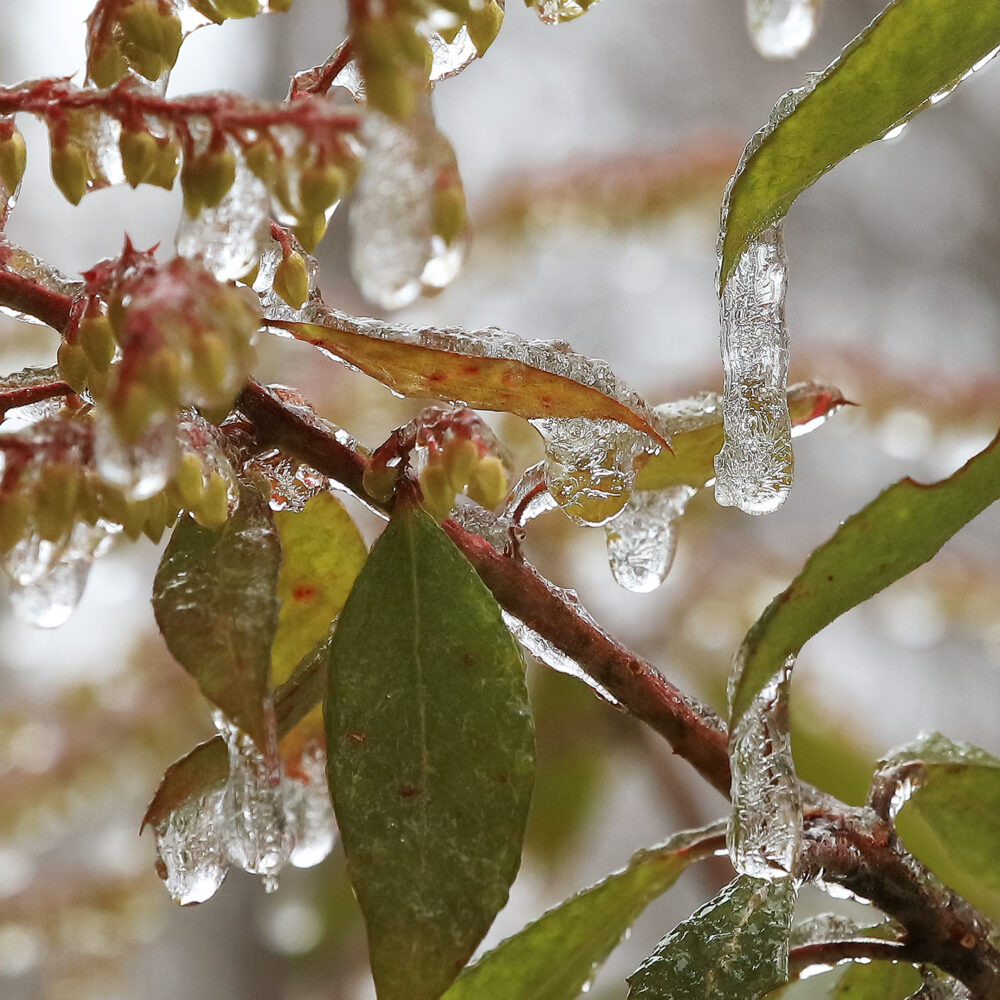
For example, you can capture the tiny patterns of frost on a window. Or show the rough texture of a frozen puddle. These small details tell a story.
- Get in close for macro shots. This reveals the fine details of ice.
- Use polarized filters. They cut down glare on ice and make colors richer.
- Find light that shines through the ice. This makes it glow from within.
Sunrise, Sunset and Winter Light
Winter days are short. But they offer special light during sunrise and sunset. This light has a softer, more gentle quality. The low sun creates long, interesting shadows. The way light hits the snow changes everything.
- Arrive early and stay late. This lets you catch every subtle change in the light.
- Look for warm light from sunrise or sunset against cool shadows on the snow.
- Try shooting through fog or mist. This creates a soft, dream-like image.
Post-Processing Winter Images
Enhancing Winter Tones and Colors
After you shoot, editing helps your photos shine. Adjusting white balance and color saturation makes winter scenes pop. You want snow to look clean and true. Subtle changes can make a big difference.
- Adjust white balance to make snow look neutral. Or give it a pleasant cool or warm feel.
- Gently boost saturation for colors like blue shadows or golden sunset hues.
- Use local adjustments to brighten or deepen specific areas.
Sharpening and Detail
Sharpening brings out fine details in your photos. But you must do it right. Too much sharpening can add unwanted noise. This is especially true for delicate snow textures.
- Sharpen carefully. Focus mainly on the edges in your picture.
- Use masking tools. This stops you from over-sharpening smooth parts of the snow.
- Consider using clarity and texture sliders. They can add more visual punch.
Managing Noise in Low Light
Digital noise can show up more in winter photos. This happens when you shoot in dim light. You might use a higher ISO setting. Noise can make your photos look grainy.
Noise levels go up with higher ISO settings. For instance, noise is often clearer at ISO 3200 than at ISO 400. This is a common camera behavior.
- Shoot at the lowest ISO you can. This helps get a good exposure without too much noise.
- Use noise reduction tools in your editing software with care.
- A little bit of grain can sometimes add to the photo’s mood. Feel free to keep it.
Conclusion: Embracing the Cold for Your Best Shots
Getting out of the house to photograph winter landscapes is a great hobby and often very therapeutic. It asks for patience and good planning. You also need to not mind the cold. By knowing your gear and how to expose correctly, you can take amazing photos. Using smart composition and editing skills helps a lot. You can truly unlock this season’s photo magic.
Do not let the cold stop you. With the right steps, winter’s challenges become chances. You can create some of your most striking photos. Dress warmly, go outside, and let the frozen world inspire you.
A Selection Of Guide Articles
Adapting A Vehicle For Landscape Photography
We talk about the thought process and steps we took to make life easier when adapting a vehicle for landscape photography
RAW Format Photography
Understanding Camera RAW format files and why they are best for photographers wanting optimal image quality and processing flexibility
Mastering Exposure
Mastering exposure requires understanding of the three principal mechanisms: shutter speed, aperture size, and the photographic material's level of sensitivity to light (ISO)
Essential Filters for Landscape Photography
Read about the essential filters for landscape photography to make your life easier and take your images to the next level
How To Photograph Winter Landscapes
How to photograph winter landscapes, gear, what you need to consider and understanding the how snow affects light
Planning A Photography Roadtrip
A guide to planning a photography roadtrip. How to find locations, what to pack and tips to get the most from your trip
Create Dramatic Landscape Photos
Luck, light, skill and perseverance are just some of the facets needed to create dramatic landscape photos
Landscape Photography: Portrait vs. Landscape Orientation
Comparing composition techniques and when to use landscape versus portrait orientation