
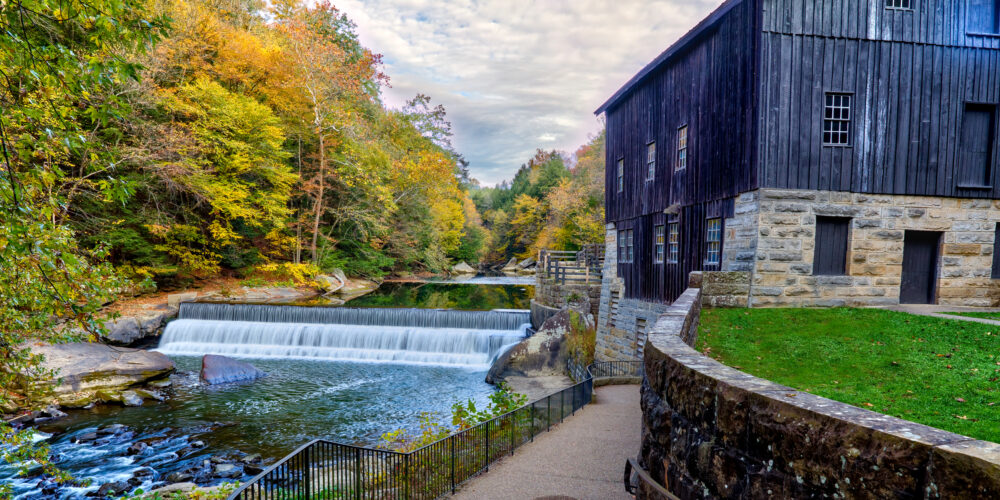
Imagine standing by a rushing creek in Pennsylvania, your camera aimed at an old stone mill that looks like it stepped out of a history book. The water wheel turns slowly, sunlight filters through trees and you snap a shot that captures pure rustic magic. If you’re into photography, spots like McConnell’s Grist Mill in Harmony, PA, pull you in with their old-world charm. This place stands as a key 19th-century landmark within the 2,546-acre State Park that bears its name. Built to grind grain for local farmers, it now draws folks who want to freeze its beauty in photos. Our guide dives into hands-on tips, from gear picks to editing tricks, so you can turn simple visits into standout images of McConnell’s Grist Mill PA.
MrsFaceless and I are on an autumn roadtrip extravaganza, taking in 3 different States, 5 different locations and, hopefully, getting some great images along the way! We’d spent the previous night at a hotel nearby, so this was our first stop to blow away any photohraphy cobwebs we had!
History and Significance of McConnell’s Grist Mill
McConnell’s Grist Mill holds a special spot in Pennsylvania’s past. It sits in Butler County, where farms once dotted the land. Photographers love it because the old structure offers a fabulous man made subject alongside the natural beauty of the creek.
Origins and Construction
The McConnell family started the mill in 1850. They picked a spot along Wolf Creek for its steady water flow. Back then, it ground corn and wheat for nearby settlers. This made it a hub in the area’s farm life. The stone build and wooden wheel still stand strong today.
Preservation Efforts
In 1978, the mill earned a spot on the National Register of Historic Places. The Harmony Historical Society keeps it in shape with careful fixes. They open it to the public most days, so you can wander and snap away. Volunteers work hard to keep the wheel turning when water allows. This effort turns the site into a living museum. For photographers, it means reliable access to frame those timeless views.
Why It’s a Prime Photography Subject
The mill’s rough stone walls catch light in ways that scream heritage. Add the water wheel and the creek flowing past it and you’ve got great compositional elements. It’s perfect for shots that blend nature with human history.
Tips for Shooting McConnell’s Grist Mill PA
Timing matters a lot when you aim to photograph McConnell’s Grist Mill PA. Light changes everything, from soft glows to deep shadows. Plan ahead to catch the site at its best. We’d travelled to our hotel, close by, the night before. This allowed us to be at the mill just after sun up. We would normally have been there for sunrise, but having risen early to check, there were no clouds or mist. So, another hour of sleep won!
Seasonal Considerations for Optimal Lighting
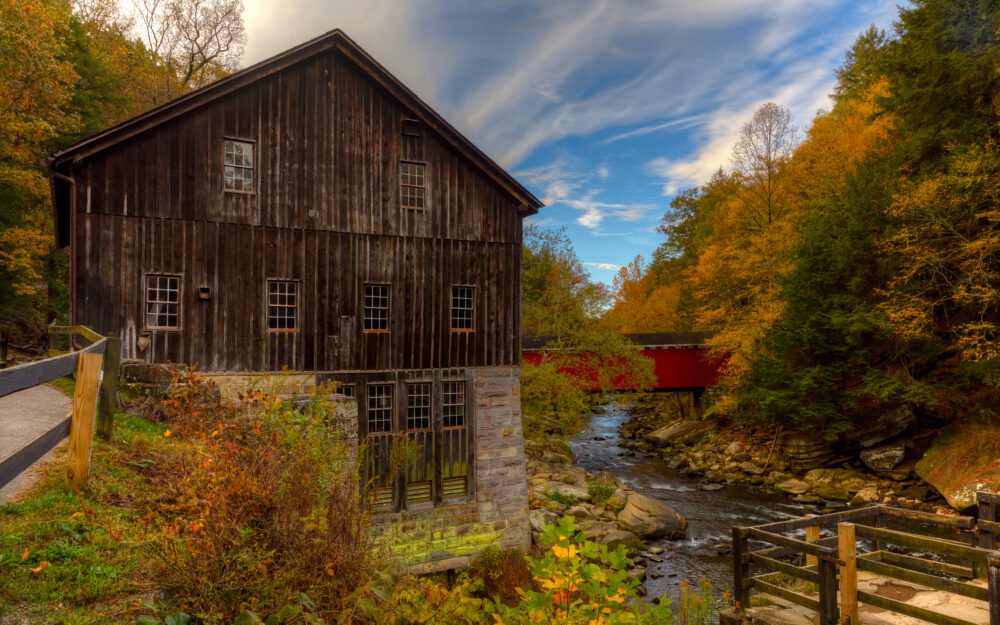
Aim for early morning in summer to dodge the midday glare. Golden hour at sunset paints the wheel in fiery hues. Winter snow can blanket the area, but check for safe paths first. Spring brings fresh blooms that frame the mill nicely. Flowers along Wolf Creek add colour pops to your shots. our visit was due to coincide with the peak of autumn colours, with leaves turning gold, creating warm tones that hug the stone. All I will say is, we were not disappointed!
What if you miss peak seasons? Any time works, but soft light beats harsh sun every day.
Weather and Environmental Factors
Cloudy days soften shadows on the mill’s face. They cut down glare from the white stones. Rain adds a misty vibe that amps up the historic feel. Sadly for us, no clouds. however, we always pack rain gear. Pennsylvania weather flips fast. Always check weather apps like Windy for updates before you drive out.
First Impressions
Despite not getting a drop dead gorgeous sunrise we were still quite taken with this place, tucked away as it is. We wandered around with little to no interference for some time as we were still there well before the crowds appeared. There were some issues though. The covered wooden bridge by the mill is not easy to photograph and on our visit there, access down to the creek was blocked. We took this to be efforts related to regeneration of vegetation on non-official trails. Also, from the far end of bridge itself, there was a lot of overgrowth obscuring what would have been a nice shot of the mill, which was a shame. Finally, as you’ll see in the images, the trun of a large tree was sitting, dominant on the weir.
It’s A Trap
Whilst this is a tourist location, it did seem like the majority of people arriving were locals. There were some guided walks whose meeting point was the mill, plus plenty of hikers and dog walkers. With an ever increasing number of people and limited angles to shoot the mill, we didn’t spend too long at this location. Despite this, we really like it. And the images we got!
Essential Photography Gear for Capturing Historic Mills
Good tools make all the difference at places like McConnell’s Grist Mill. You don’t need fancy stuff to start.
Camera and Lens Recommendations
Grab a DSLR or mirrorless body for sharp results. A wide angle lens makes it easier to capture the whole mill in frame. Switch to a telephoto for close ups or ‘vignettes’. Set your ISO low for clean shots in daylight. Take time to compose. Always check for sharpess and issues after taking a photo. You can then correct in minutes in the field rather than spending hours in post processing.
Accessories for Stability and Protection
A tripod steadies long shots of water flow. It lets you blur the creek for silky effects. Filters are a strong ally in the field. Circular polarizers tame bright sun and glare on watery scenes. ND filters help with those smooth exposures. Toss in a weatherproof bag to shield gear from sudden showers. Don’t forget extra batteries as cold snaps drain them quick.
Composition Techniques for Stunning Grist Mill Photos
Framing turns okay shots into keepers at McConnell’s Grist Mill. Use the land’s shapes to guide your eye. Play with angles to show the site’s soul.
Framing the Mill’s Iconic Elements
To ensure your photos stand out, composition is key when it comes to landscape photography. Use the rule of thirds to guide your framing, placing points of interest off-center for a more dynamic look. Know your camera. Understand metering modes, ISO, aperture and shutter speed to gives your image a good exposure. Know how to get sharp photos. If you’re on a tripod think about bracketing exposures for hdr to gather all of the dynamic range information on your sensor. If taking a photo handheld then read up on the reciprocal rule. Use the creek’s flow as leading lines to the mill door. That pulls viewers right in. Add foreground interest with flowers or rocks.
Advanced Angles and Perspectives
Shoot from creek level for big-scale drama. This will make the mill tower high. Climb nearby paths for overlooks that show the full setup. Experiment with vertical shots for a different feel. These tricks make your McConnell’s Grist Mill PA photos stand out.
Experiment
And don’t shy away from experimenting. Try shooting during different times of day to capture varied lighting. Changing orientation between portrait vs landscape allows for perfect framing of differing compositions. Remember, it’s not just about what you’re photographing, it’s how you photograph it to create dramatic landscape photographs!
Utilizing Natural Light
Natural lighting is like the magic wand of photography, so wave it at your subjects and make them transform! As already mentioned, early mornings and late afternoons, known as the golden hour, are ideal for capturing the enchanting glow on the landscape. Overcast days can be just as great, softening shadows and bringing out the colours. Just avoid harsh midday sun unless you enjoy blown out highlights and squinty faces. Keep an eye on the weather.
Textures and Details
Autumn brings new textures to the landscape as its surfaces start to dry and crinkle, highlighting details that might go unnoticed in other seasons. The contrast between the lush vegetation and that which is dying off for winter creates a stark contrast in texture as well as colour. Remember to get low and focus on those details. The small things often have the biggest impact!
Incorporating Surrounding Nature
The surrounding landscape is an essential part of the overall aesthetic with landscape photography. Mix natural elements and man made structures like stone bridges and paths to bring the scene to the next level. Frame your shots to include these elements
Tips for Taking Stunning Autumn Images
Autumn portraits can be magical. But capturing that magic requires some nifty tricks.
Selecting the Right Backgrounds
When choosing backgrounds for autumn portraits, look for contrasting elements. The ruggedness of the stone wall with the glow of golden foliage makes for a striking combination. Look around you for additional components as these can help your subject stand out against the landscape. Don’t shy away from experimenting. Sometimes the quirkiest locations yield the most memorable shots!
Adjusting Settings for Low Light
Shooting in low light can result in gloomier results, which means you’ll need to adjust your camera settings accordingly. Increase your ISO to capture more light, but keep an eye out for noise. A wider aperture (smaller f-stop number) can help as well, allowing more light in while creating a lovely background blur. If you’re battling low light, don’t forget to balance with a slower shutter speed; just make sure your subjects are still for a moment.
Post-Processing Photographs
After capturing that fall grist mill magic, it’s time to bring your photos to life in the editing room.
Paid Or Free Software
By all means, pay for the photo editing software of your choice. MrsFaceless and I use a mix of paid and free software from an old version of Photoshop, Topaz DeNoise, Photomatix, Darktable and Gimp. The majority of our editing is now done in Darktable.
Basic Editing Techniques
Once you’ve snapped that perfect shot, it’s time to give it a little TLC in post-processing. Start with basic adjustments. Tweak the exposure, contrast and white balance to make your photos sparkle. Cropping can also help you refine your composition, so don’t hesitate to trim the edges if it means a more impactful image.
Enhancing Colours and Contrast
Autumn photographs should not have muted colours. To give your images a new lease on life, increase the contrast and saturation (slightly) to accentuate the reds and golds. A little tweaking goes a long way. Just avoid the temptation to go overboard, or you might end up with a photo that looks like it belongs in a cartoon!
Creating a Fall Mood in Edits
To evoke that cozy, autumnal vibe, try adding a golden tone to your images. This will enhance the feeling that the natural fall colours brings. You may also want to play with a vignette effect to draw focus toward the center of your photograph.
Enhancing Historical Vibes
Add a light vignette to draw eyes to the center. It spotlights the mill against fuzzy edges. Sharpen just the millstones for crisp details. Keep edits subtle. Overdo it and it looks fake.
Conclusion
Photographing McConnell’s Grist Mill PA boils down to smart timing, solid gear and clever framing. From golden hour lights to editing boosts, these steps turn tourist pics into art. You now have the tools to capture its stone walls and spinning wheel just right.
There’s real fun in snapping Pennsylvania’s old spots like this one. It connects you to stories from 1850. Head out soon and enjoy the views.