
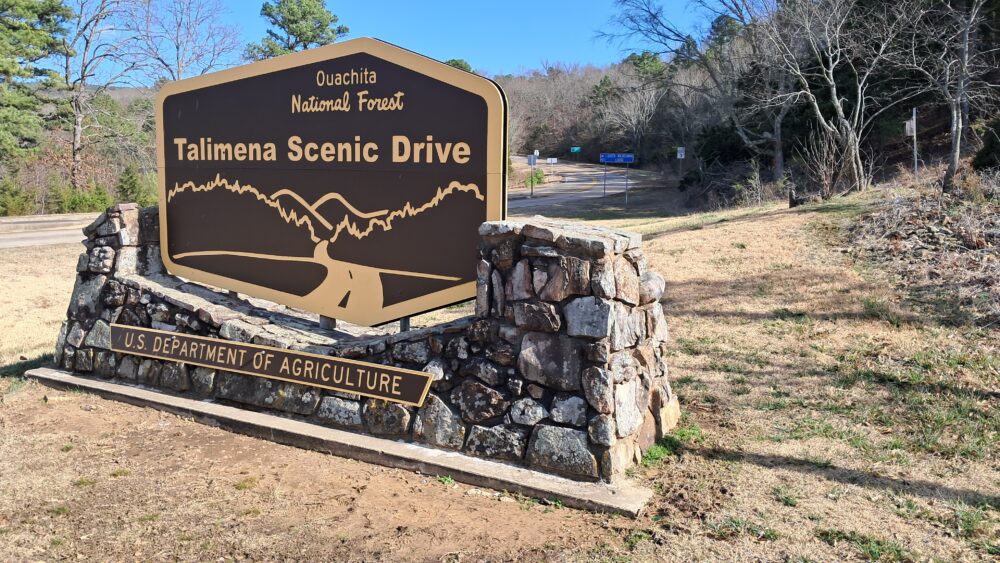
Nestled in the Ouachita Mountains of southeastern Oklahoma, the Talimena Scenic Drive offers a breathtaking journey through some of the most picturesque landscapes in the region. Stretching approximately 54 miles, this scenic route is renowned for its stunning vistas. There is also diverse wildlife and vibrant seasonal foliage, making it a prime destination for landscape photographers. Whether you’re a seasoned professional or an enthusiastic hobbyist, capturing the vistas of the Talimena Scenic Drive can yield stunning results. We will explore the best times for photography and highlight key scenic locations. Also, we’ll provide practical tips and techniques to enhance your landscape photography experience along the Talimena Scenic Drive.
Overview of the Talimena Scenic Drive
The Talimena Scenic Drive is a breathtaking stretch of road that meanders through the Ouachita Mountains bewtween Talihina in Oklahoma and Mena in Arkansas. It offers unparalleled views of lush forests, rolling hills and vibrant wildflowers. Spanning approximately 54 miles, this scenic byway is not just a delight for drivers. It’s also a fabulous location for photographers looking to capture nature’s beauty.
History and Significance
Originally a path used by Native Americans, the Talimena Scenic Drive was paved in the late 1960s as a means to showcase the region’s stunning landscapes. The area is steeped in history, as it served as a trade route and even a battleground during the Civil War. Today, it’s a cherished destination for those seeking outdoor adventures or simply a peaceful escape. The various vistas of the Talimena Scenic Drive give you a chance to take in the stunning views as you wind you way along the moutain top. The road itself is named after Talihina, the town it starts in and Mena, where it ends.
Geographical Features
The drive offers an eclectic mix of geographical features. Picture rolling hills, deep valleys and expansive vistas punctuated by towering pine trees and colorful fall foliage. There are 22 the vistas of the Talimena Scenic Drive, a State Park, firetower and as make your way along the route, you’ll encounter the majestic Winding Stair Mountain. With a high point reaching over 3,000 feet, the Talimena Scenic Drive is one of the best places to experience the natural beauty of the Ouachita Mountains. This makes it a must for any landscape photography aficionado.
Best Times for Landscape Photography
Timing is everything in photography, and the Talimena Scenic Drive is no exception. The changing seasons and the magical hours of dawn and dusk can transform this already stunning landscape into something truly extraordinary.
Seasonal Changes in Landscape
Each season adds a unique flavour to the scenery along the drive. Spring bursts forth with wildflowers and vibrant greenery, making it a perfect time for fresh, colourful shots. Summer offers lush foliage and plenty of blue skies, but watch out for those pesky thunderstorms. Fall, however, is the showstopper, as the foliage transforms into a vibrant tapestry of reds, oranges and yellows. But don’t forget winter. A dusting of snow can blanket the terrain, creating a serene and ethereal landscape that’s photography gold.
Golden Hour and Blue Hour Tips
If you want to capture that dreamy, soft light that makes landscapes pop, you’ll want to hit the road during the Golden Hour. The sky will be painted in warm hues, and the landscape will bathe in that perfect light. But don’t forget the Blue Hour, that brief period when the sun dips below the horizon and the sky turns a deep blue, offering rich tones and dramatic shadows. Bring a tripod, as the lighting can get a bit dim. Unless you fancy an artistic blur, of course!
Key Scenic Locations Along the Drive
While the Talimena Scenic Drive is a visual treat at every turn, some spots are downright iconic. Prepare your camera as we unveil the must-visit locations that will have your followers double-tapping like there’s no tomorrow.
The Vistas
Sunset Point Vista
For my sunset shoot I had driven up and down a fair length of the Talimena Scenic Drive before I ultimately settled on somewhere that should have given me a clue to start with – Sunset Point Vista. Hmmm. A few overlooks I simply didn’t like. A few were ‘noverlooks’ – an overlook in name but an obscured view in practice. However, this choice had me facing where both the sun was setting, there were silhouetted hills and, importantly, I was also able to get the few clouds that were in the sky at the time into my image.
Panorama Vista
I spent the night, a very cold night may I add, at Panorama Vista. After a fair amount of research this had been marked as a likely spot for a good sunrise. It is also a short distance from the main road, affording it some privacy. With clear skies being forecast my thoughts were of astro photography and the last thing I wanted was for any car headlights to ruin a long exposure. As it turned out, I got some nice star trail video….but then fell asleep. Oops.
Sunrise was anything but. I mean, yes the sun rose. However, it was fully obscured by dense cloud which was nowhere to be found in the weather forecast. Along with the cloud came wind and some extremely chilly temperatures. However, as sometimes bad weather is good weather, I persevered to get an early morning shot at Panorama Vista to show MrsFaceless. I then returned to the car and turned on the heater, the heated seat, dug my gloves out and spent the next ten minutes shivering. All for a photo!
Lennox Vista
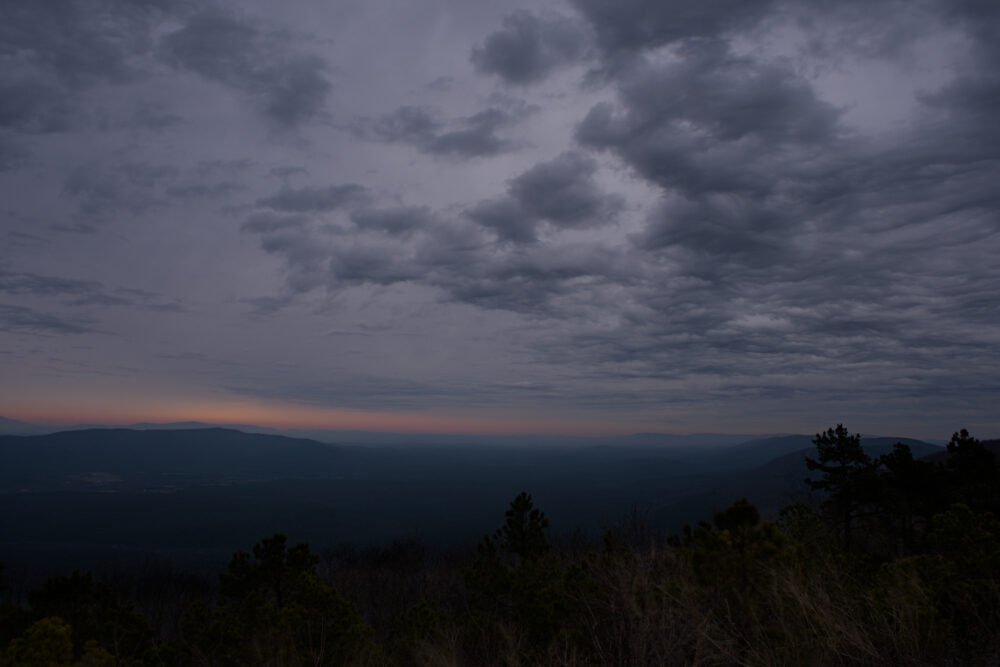
My next stop was at Lennox Vista. It was around 6.30 am and well after the scheduled sunrise. As I sat in the car looking out, all I could think of was one thing. Hot coffee. However, something caught my eye. So I forced myself out into the cold to take a shot. What had caught my eye was the layering of the hills as i stared into the distance. With the sun just starting to become visible, the clouds were acting as a softbox to cast a beautiful light over the rolling scenery. And that shot ended up being my favourite shot of this part of my adventure.

Grand View Vista
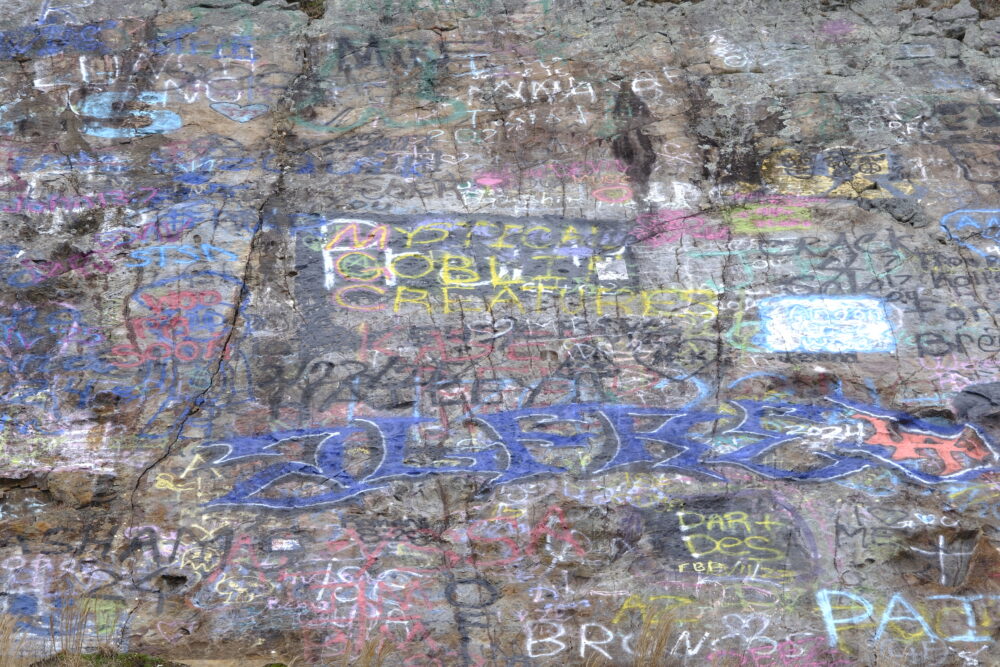
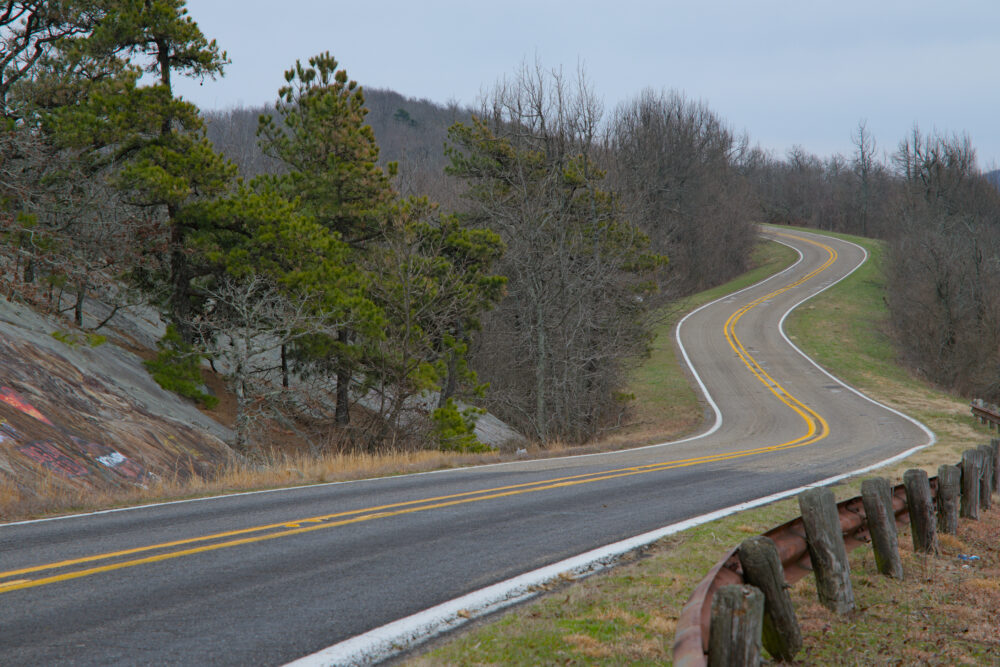
Grand View Vista provides a very wide view of the surrounding landscape below. But, to me at least, was a little repetitive with no leading lines or foreground interest. But what caught my eye was the graffiti. I’m not one for graffiti on rocks and this does seem to be an area where the rocks and the road have lost that battle. Badly. At least it is concentrated here, But in all honesty, it does make for an interesting experience. With what must be graffiti over graffiti over graffiti, there is something quite raw and arty about the whole look. It’s no Banksy and not necessarily aesthetically pleasing, but it does bring a gritty, urban decay feel to the middle of nature. Not sure if that’s what Arkansas is going for though.
Other Locations
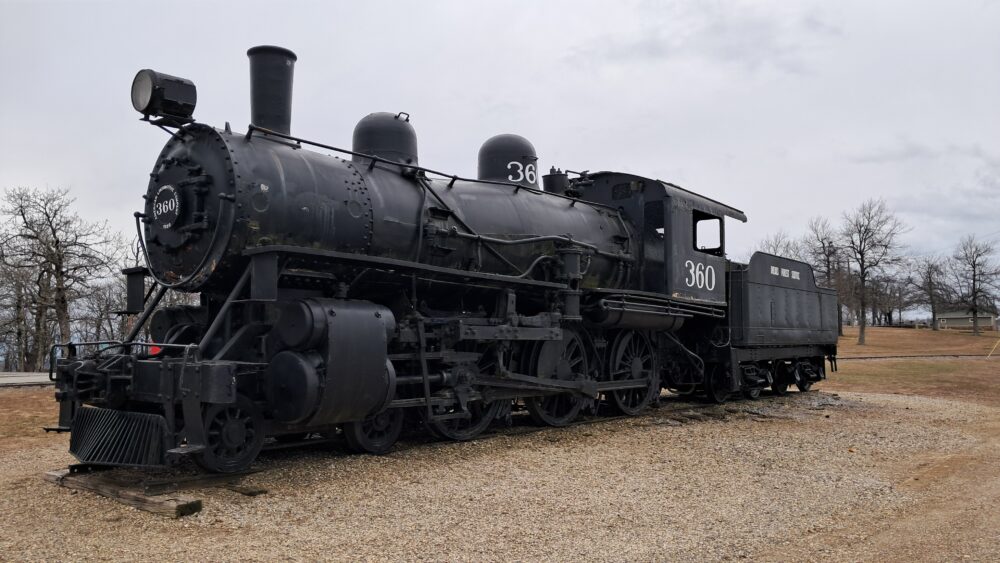
First on the list is the Queen Wilhelmina State Park, where the views are absolutely regal. The overlook provides a panoramic vista that will make you feel like you’ve stepped into a painting. Next up is the Talimena State Park overlook, offering a stunning view of the rich landscape below—the perfect spot for sunset shots. Don’t forget the numerous roadside pull-offs, each a little gem waiting for your lens to capture its beauty. As i drove through early on a cold, March morning nothing was stirring. So other than a quick stop to photograph an old steam locomotive for a friend, I kept going.
Hidden Gems to Explore
Venture beyond the popular spots and head out on the remote Ouachita National Forest trails where you can capture the raw beauty of the untouched wilderness. Just remember to tread lightly and leave no trace. Nature has enough drama without us adding to it!
Techniques for Capturing Stunning Landscapes
Now that you know where to go, let’s talk about how to make your photos shine. The right techniques can turn a good shot into a jaw-dropping masterpiece.
Composition Techniques for Landscape Photography
Composition is key when it comes to landscape photography. Use the rule of thirds to guide your framing, placing points of interest off-center for a more dynamic look. Leading lines, such as winding roads or rivers, can draw the viewer’s eye into the frame. Know your camera. Understand metering modes, ISO, aperture and shutter speed to gives your image a good exposure. Know how to get sharp photos. If you’re on a tripod think about bracketing exposures for hdr to gather all of the dynamic range information on your sensor. If taking a photo handheld then read up on the reciprocal rule. And don’t shy away from experimenting. Try shooting during different times of day to capture varied lighting. Changing orientation between portrait vs landscape allows for perfect framing of differing compositions. Remember, it’s not just about what you’re photographing, it’s how you photograph it to create dramatic landscape photographs!
Long Exposure Techniques
To capture the smooth, silky look of dreamy waterfalls or to turn a busy sky into a dreamy swirl, long exposure techniques are your best friend. Use a neutral density filter to reduce the light entering your lens, allowing you to use slower shutter speeds without overexposing the image. Just remember to bring a sturdy tripod unless you’d like your photos to have a lovely ‘shaky’ aesthetic! With these techniques up your sleeve, you’ll be well on your way to creating stunning landscapes that will have your friends and followers in awe.
Wildlife and Flora Photography Opportunities
Common Wildlife in the Area
As you drive between the vistas of the Talimena Scenic Drive, keep your eyes peeled for some local critters! You might spot white-tailed deer gracefully prancing through the underbrush, along with countless birds like the vibrant Eastern Bluebird and the melodious Carolina Wren. Don’t forget the mischievous squirrels and the occasional wild turkey strutting around, showcasing their glorious plumage. Remember, patience is key and wildlife doesn’t always strike a pose on command!
Unique Plant Species and Seasons
The Talimena Scenic Drive isn’t just about panoramic views; it’s also a botanical buffet! Look for unique plant species like the stunning Red Maple and the elusive Eastern Cottonwood. In spring, wildflowers like the cheerful Purple Coneflower pop up, while fall paints the landscape with fiery reds and oranges. Each season offers a fresh palette for your photography, so make sure your camera is ready to capture nature’s exquisite transitions!
Essential Gear for Landscape Photographers
Camera and Lens Recommendations
When it comes to gear, you don’t need to break the bank! A good DSLR or mirrorless camera will do the trick. Pair it with a versatile zoom lens (like a 24-70mm) for versatility to capture everything from sweeping vistas to delicate details. If you’re feeling adventurous, a wide-angle lens (think 16-35mm) can help you get all the sky drama and valley depth in one frame. A sturdy tripod is a must for those long exposure when photogaphing sunrise or sunsets!
Accessories for Enhancing Your Shoot
Don’t let a little glare ruin your photos! Invest in a polarizing filter to make those colours pop and reduce reflections on water surfaces. A neutral density filter can be your best friend for capturing silky smooth waterfalls or cloud movement too. And let’s not forget extra batteries and memory cards. The only thing worse than running out of juice is realizing you don’t have enough storage for that jaw dropping sunset!
Tips for Post-Processing Landscape Images
Software Options for Editing
To elevate your landscape images from “meh” to “wow,” you’ll need some solid software. Adobe Lightroom is a favourite among photographers for its user-friendly interface and powerful tools. Photoshop is there for those who want to dive deep into the editing rabbit hole. For those who begrudge the ‘rental’ model, free and equally good options are available. GIMP or Darktable can also get the job done without costing you a dime!
Techniques for Enhancing Colors and Details
Once you’ve imported your photos, it’s time to work your magic! Start with adjusting exposure and contrast to bring out depth. Increase saturation, but beware of oversaturation. We want vibrant, not cartoonish! Use clarity and sharpening tools to highlight details, especially in the foreground. Finally, a subtle vignette can help draw the viewer’s eye into the scene.
Planning Your Visit: Accessibility and Amenities
Driving Tips and Routes
Navigating the Talimena Scenic Drive is a joy, but a few tips can help make your journey even smoother. Take your time and enjoy the 54-mile stretch that winds through the Ouachita Mountains. Curvy roads and elevation changes mean you’ll want to keep an eye out for slow-moving vehicles and wildlife crossings. The Vistas Of Talimena Scenic Drive can get busy. If you can, be there early in the morning or near sunset for the best light and fewer distractions, except for the s
Available Facilities and Accommodations
While the drive keeps you immersed in nature, amenities are not far behind. There are plenty of scenic overlooks where you can stretch your legs and snap some pics. For overnight stays, quaint cabins and campsites dot the area, offering the chance to fall asleep under a blanket of stars. Just remember, booking in advance during peak seasons is wise. Nobody wants to be the last one without a place to rest their weary head!
Conclusion
The Vistas Of Talimena Scenic Drive offer an extraordinary canvas for landscape photography. With captivating views and rich natural beauty it’s a must visit location. By understanding the best times to visit, knowing the key locations to shoot and employing effective photography techniques, you can create stunning images that capture the essence of this remarkable area. Whether you’re looking to document your journey or simply appreciate the breathtaking landscapes, this scenic drive is sure to inspire every photographer who visits. So grab your camera, plan your trip, and immerse yourself in the beauty that awaits along the Talimena Scenic Drive.