
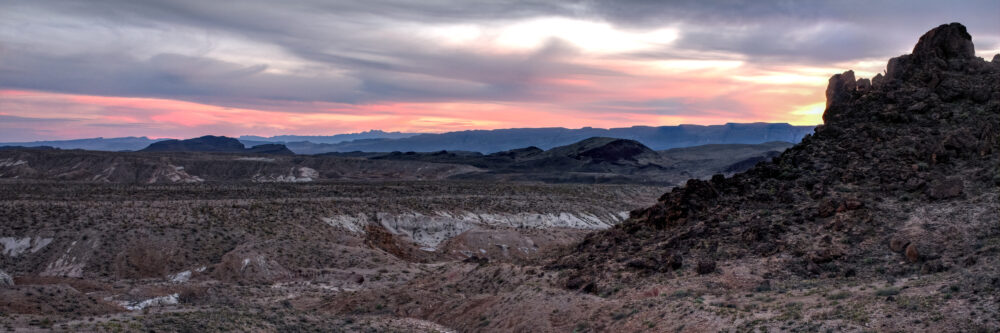
Big Bend National Park, a breathtaking expanse of rugged landscapes in West Texas, offers an unparalleled canvas for landscape photography. Among its many scenic routes, the Ross Maxwell Scenic Drive stands out as a must-visit for photographers seeking to capture the park’s diverse beauty. This drive meanders through stunning vistas, showcasing dramatic canyons, expansive deserts, and unique geological formations. Whether you are an experienced photographer or a novice eager to explore the art of landscape photography, this article will guide you through the key locations, essential tips, and best practices to help you make the most of your photographic adventure in one of America’s most captivating national parks.
Hatching A Plan
About a year ago, FacelessBrotherInLaw and I were discussing when we would next meet up. After some back and forth a plan was hatched and we set our sights upon metting in Texas. Figuring we’re making the effort to go there, why not add a little side trip? I am pretty adept at planning a photography roadtrip, so before long I had a list of things to do and places to go. Now there was just the little point of each travelling a over a thousand miles to reach our start point. After meeting and relaxing for a few days, albeit with a little urban photography involved in the Dallas Fort Worth area, headed south, to the desert expanse that is Big Bend National Park.
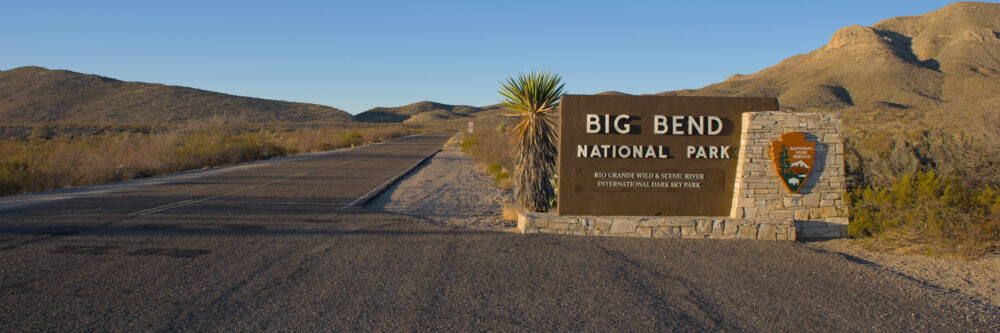
Overview of Big Bend National Park
Big Bend National Park is a sprawling natural wonder located in West Texas, where the Rio Grande makes a dramatic turn, creating stunning vistas, dramatic canyons and desert landscapes that seem to stretch into infinity. Covering over 800,000 acres, it’s a veritable playground for outdoor enthusiasts, photographers and anyone who appreciates the great outdoors without the clutter of city life.
Geographical Significance
This park is not just a pretty face, it’s a geological marvel! Big Bend features diverse landscapes, from the rugged Chisos Mountains to the arid Chihuahuan Desert, offering a unique convergence of ecosystems. The park serves as a natural barrier between the United States and Mexico, showcasing stunning rock formations, expansive plains and the meandering Rio Grande,. All of these create a dramatic backdrop that are practically begging to be photographed.
Flora and Fauna
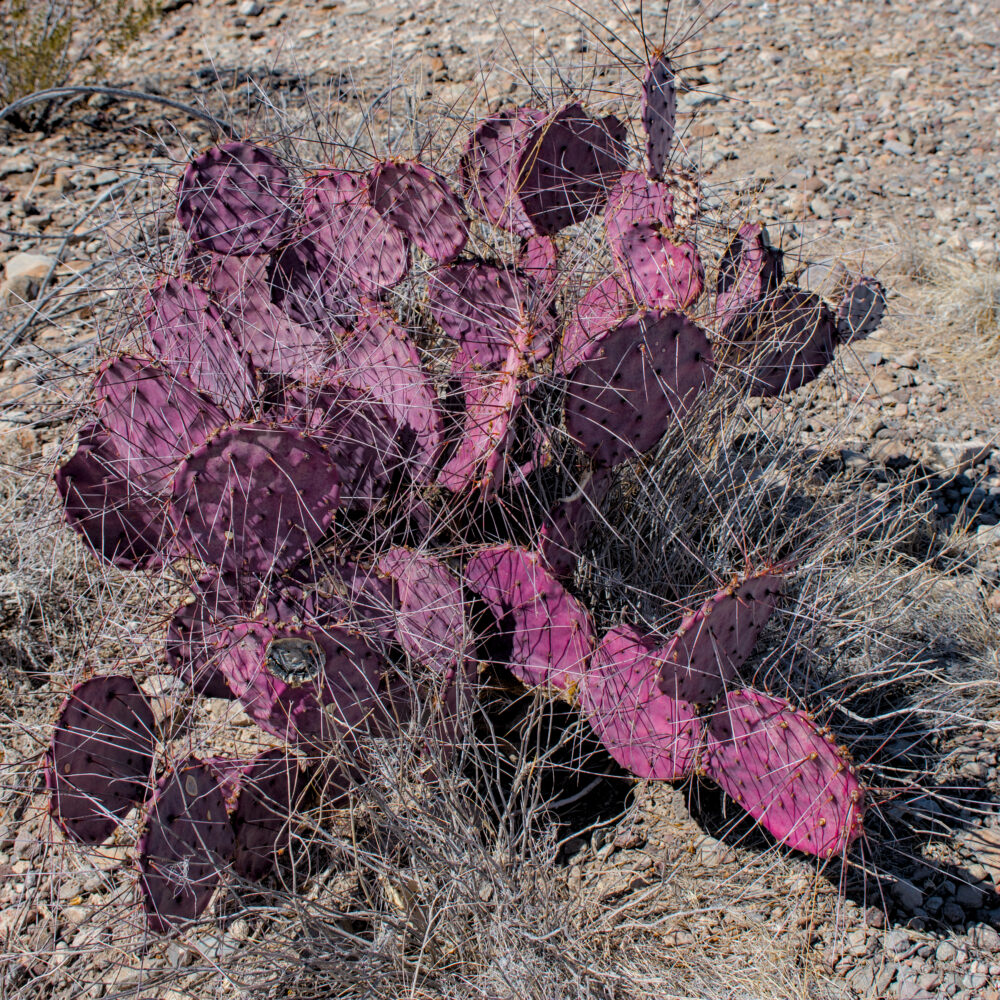
If you think of Big Bend as nature’s version of a buffet, you wouldn’t be far off. The park is home to over 1,000 species of plants and numerous animals that call this rugged terrain home. Expect to see everything from the prickly pear cactus to towering pine trees in the higher elevations. Wildlife enthusiasts can spot elusive mountain lions, javelinas and a vibrant array of bird species, making every photographic capture a potential wildlife documentary moment. Not to mention snakes. Ok, i’ll mention snakes. There’s the Western Diamondback Rattlesnake. The Mojave Rattlesnake. The Blacktailed Rattlesnake. And finally, as if three rattlesnakes aren’t enough, the Mottled Rock Rattlesnake. So yeah, FOUR different types of rattlesnake alone. Not to mention the Trans-Pecos Copperhead. So, that’s FIVE venomous snakes that can all be found in Big Bend. There’s another 26 specis there too…but who cares about the non-venomous ones, right?
Cultural and Historical Context
Big Bend’s history is as rich and varied as its landscapes. The park is steeped in Native American history, with ancient petroglyphs and artifacts dotting the area, hinting at centuries of human habitation. Later, it became a crossroads for American explorers, Spanish conquistadors, and Mexican settlers. Today, remnants of old ranches and ghost towns add a dash of Old West charm to the landscape—perfect for those photos that tell a story!
Introduction to Landscape Photography
Landscape photography is more than just snapping pictures of pretty places; it’s about capturing the essence of the land and the emotions it evokes. It’s the pursuit of capturing nature’s finest displays, from sweeping vistas to intricate details, helping viewers experience what it’s like to be there, even if they’re miles away.
Understanding Landscape Photography
At its core, landscape photography is all about the connection between the photographer and the environment. It involves using light, composition, and perspective to create images that resonate. Whether you’re capturing a breathtaking sunrise or a fog-shrouded valley, the goal is to invoke a feeling of wonder and appreciation for the natural world.
Types of Landscape Photography
There are a few different flavors of landscape photography, and each brings something unique to the table (or should I say, tripod!). You’ve got panoramic landscapes that capture wide vistas, intimate landscapes that zoom in on the details like flowers or rocks, and abstract landscapes that play with patterns and light. Choose your adventure based on what speaks to you!
Ross Maxwell Scenic Drive: A Photographic Journey
The Ross Maxwell Scenic Drive is the epitome of a scenic route, winding through some of the most picturesque parts of Big Bend. This drive showcases the park’s stunning beauty, with ample opportunities for photographers to stop, reflect, and, of course, snap some fabulous shots.
Length and Accessibility
Spanning about 30 miles, the Ross Maxwell Scenic Drive is accessible year-round, so you can chase those golden hours whenever you please. It’s a well-maintained road, perfect for both seasoned photographers and casual travelers. Just be sure to keep your camera ready, as stunning views lurk around every curve!
Scenic Highlights of the Drive
Each bend and curve reveals breathtaking views, from the towering cliffs of the Sierra del Carmen to the sweeping grasslands below. The iconic formations like the Mule Ears and the lush desert vistas provide endless potential for stunning photographs. With every stop, you’ll find something new to love, ensuring that your camera remains busy throughout the drive.
Key Locations Along Ross Maxwell Scenic Drive
Now that you’re all excited to hit the road, here are some must-stop locations along the Ross Maxwell Scenic Drive that promise to elevate your landscape photography game!
Upper And Lower Burro Mesa
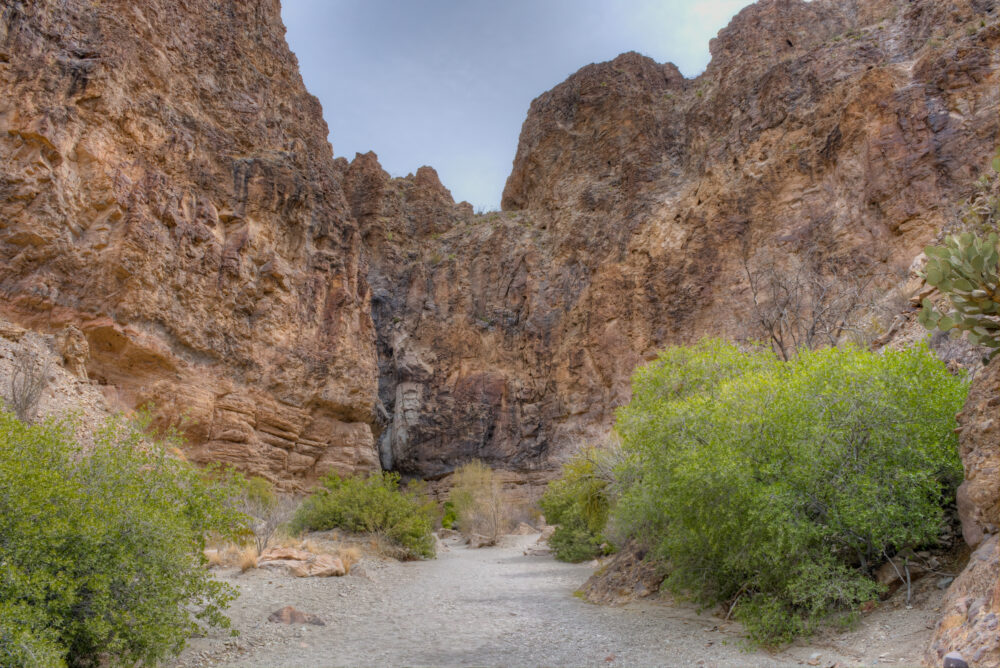
These two stops are pretty cool. Upper Burro Mesa Trail takes you on a walk through the rocky landscape to the precipice of a waterfall. FacelessBrotherInLaw and I took the road less travelled, on the Lower Burro Mesa trail (photo above). Same waterfall, when there’s water that is, but a half mile wander through a stony gorge to the base of the drop. Thre’s lots of varied shrubbery and the canyon provided protection from the constant wind-blasting we were getting!
Sotol Vista
Prepare for a panoramic treat at Sotol Vista! This overlook offers striking views of the surrounding mountains and desert valleys. It’s a fantastic spot for capturing the golden tones of sunset—so bring your best lens and perhaps even a snack to enjoy while waiting for that perfect shot.
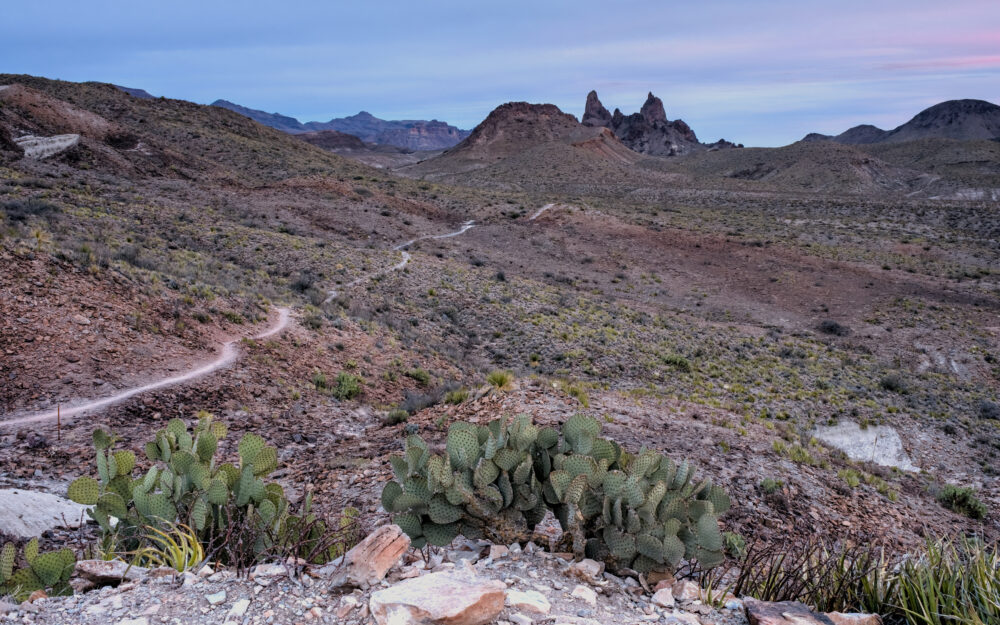
Mule Ears
For those of you that like a view from the car park, this location can work. For those that like a wander, there’s a trail to get you to the base of the Mule Ears. The photo above was taken maybe half a mile from the car park as I waited for the setting sun to light up the sky. Which it did. Just not behind or over the Mule Ears!
Castolon and the Historic Old West
Step back in time at Castolon, where remnants of the Old West still linger. The historic buildings against the rugged landscape make for intriguing photographic opportunities. Capture the essence of the frontier life while also embracing the stunning desert scenery surrounding you. There’s old building, mining and farm machinery as well as a shop and tourist information.
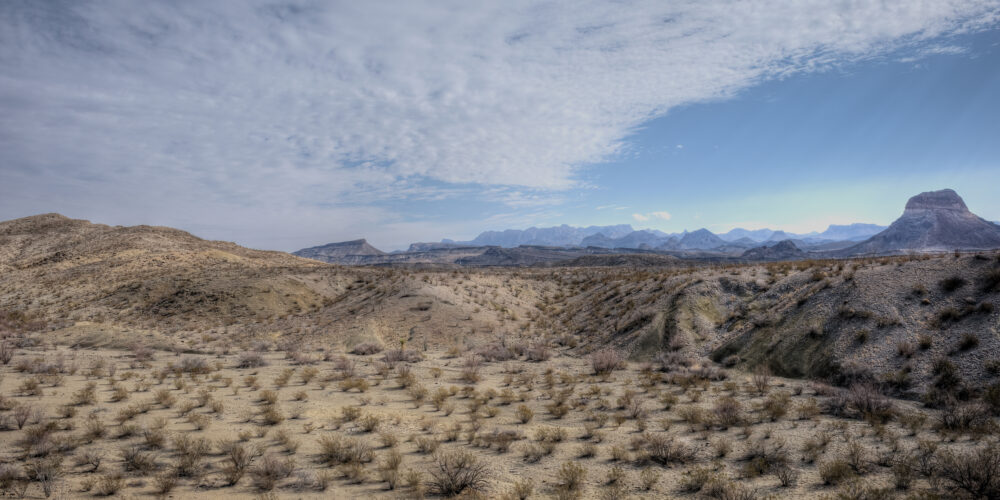
Desert Mountain Overlook
Despite being sand blasted by gale force winds, this was a very nice place to stop and take in the view. A quite fabulous view, at that! The Chisos Basin is about 15 miles off in the distance as the crow flies. The desert floor is straight out of a Western movie and hte low scrub is in direct contrast to the peaks of the mountian tops all around.
Santa Elena Canyon
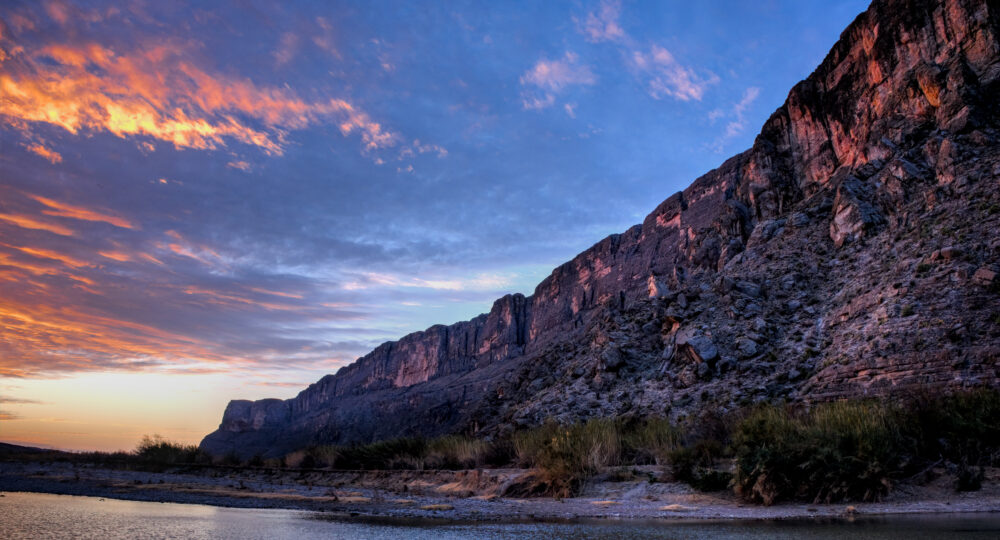
Santa Elena Canyon is where you’ll want to step up your photography skills. Standing at the mouth of the canyon, you’re flanked by towering cliffs that create an imposing yet stunning backdrop. The interplay of light and shadows here provides dramatic contrasts, making every shot feel like a masterpiece.
Where To Stay
Staying outside of Big Bend National Park is an option. Terlingua or Marathon have various options, but they are a considerable distance away. Especially for those thinking about a sunrise or sunset photoshoot!There are rooms at Chisos Basin Resort, which is about 15 miles from the start of the Ross Maxwell Scenice Drive. There are several campsites near to Santa Elena Canyon, such as Ocotillo Grove, where we slept. I say slept, but a storm rolled in the night we were there and almost blew FacelessBrotherInLaw and his tent away! The camping closest to points of interest is most likely primitive camping. So bear that in mind, as well as the need to obtain camping permits.
Tips for Capturing Stunning Landscape Photos
Framing and Composition Tips
To ensure your photos stand out, composition is key when it comes to landscape photography. Use the rule of thirds to guide your framing, placing points of interest off-center for a more dynamic look. Leading lines, such as winding roads or rivers, can draw the viewer’s eye into the frame. Don;t forget to add foreground interest to balance your image. Know your camera. Understand metering modes, ISO, aperture and shutter speed to gives your image a good exposure. Know how to get sharp photos. If you’re on a tripod think about bracketing exposures for hdr to gather all of the dynamic range information on your sensor. If taking a photo handheld then read up on the reciprocal rule.
Experiment
And don’t shy away from experimenting. Try shooting during different times of day to capture varied lighting. Changing orientation between portrait vs landscape allows for perfect framing of differing compositions. Remember, it’s not just about what you’re photographing, it’s how you photograph it to create dramatic landscape photographs!
Utilizing Natural Light
Natural light is like your best friend in landscape photography, always there to enhance your images, but with its own vibe. Shoot during golden hour, which is just after sunrise or before sunset, when the light is warm and soft, enveloping everything in that dreamy glow. Or for those that like to linger and get everything from their shoot location, wait for blue hour. Cloudy days can be a photographer’s best-kept secret since they soften shadows and create flattering diffuse light. Just remember, the sun is a diva and it won’t always cooperate, so be ready to adjust and improvise!
Be Prepared
Ensure that you have the right kit with you. A circular polarizer will remove glare and enhance colours. Neutral density filters will allow you to attain slower shutter speeds in bright light. A lens hood will help to block stray light. If shooting into the sun think about photographing sun stars to give your images that wow factor. Or maybe use the light to get those perfect silhouettes. Something that often gets missed is that you are familiar with using your gear. Especially when it’s dark or you are shooting in bad weather!
Processing Your Images
Paid Or Free Software
By all means, pay for the photo editing software of your choice. MrsFaceless and I use a mix of paid and free software from an old version of Photoshop, Topaz DeNoise, Photomatix, Darktable and Gimp. The majority of our editing is now done in Darktable.
Basic Editing Techniques
Once you’ve snapped that perfect shot, it’s time to give it a little TLC in post-processing. Start with basic adjustments. Tweak the exposure, contrast and white balance to make your photos sparkle. Cropping can also help you refine your composition, so don’t hesitate to trim/crop the edges if it means a more impactful image.
Enhancing Natural Colours and Textures
To make the vibrant colours of pop, use adjustment tools to enhance saturation and vibrance without going overboard. Sharpening can bring out textures in rocks and foliage, giving your images that crispness that makes viewers want to reach out and touch them.
Dealing with Changing Weather Conditions
Mother Nature has a mind of her own, especially in places like Big Bend. When the weather throws a tantrum, embrace it! Dramatic clouds or a moody storm can add depth to your landscape photos. Bring protective gear for your camera—because, let’s face it, a little rain never hurt anyone, but a soaked camera can ruin your day. Always check the forecast, but don’t let a little unpredictability deter you; sometimes the most stunning shots come from the unexpected!
Best Times for Landscape Photography in Big Bend
Seasonal Considerations
Big Bend National Park is a year-round wonderland, but each season has its own flair. Spring bursts with wildflowers and mild temps, while fall showcases vibrant foliage and cooler air. Summer? It’s hot, like “why-did-I-sign-up-for-this” hot, but the sunsets can be spectacular! Winter offers stunning contrasts with snow-capped mountains. Keep in mind that each season has its charm, so pick your adventure based on what tickles your fancy!
Golden Hour and Blue Hour Photography
Golden hour’s warmth is unbeatable. This time frame—about an hour after sunrise and an hour before sunset—makes everything look like it has been painted by a talented artist who loves warm tones. But let’s not forget blue hour, shortly after sunset or before sunrise, when the sky turns into a canvas of deep blues and purples. This is the time for a calm, serene mood—perfect for those moody landscape shots that make you feel all the feels.
Equipment Recommendations for Landscape Photographers
Camera Gear Essentials
You don’t need every gadget under the sun, but a reliable DSLR or mirrorless camera is a must. Bring extra batteries and memory cards because you don’t want to miss that perfect shot when your camera decides it’s time for a nap. A remote shutter release is also handy for those long exposure shots—you can click without shaking the camera like you’re in a high-stakes video game.
Lens Recommendations
Wide-angle lenses are the rockstars of landscape photography, perfect for capturing vast vistas without leaving anything important out of frame. Aim for something in the 16-35mm range for stunning landscapes that stretch as far as the eye can see. If you feel like showing off those delightful details, a good macro lens will let you photograph tiny plants or textures like a pro.
Tripod and Accessories
A sturdy tripod is your best friend when it comes to stability, especially for long exposures and low light conditions. Don’t forget a polarizing filter to reduce glare from water and enhance those vibrant colors. Bring along lens cleaning gear too—dust and smudges will show up in your photos like uninvited party guests.
Conclusion and Encouragement to Explore Big Bend
Final Thoughts on the Beauty of Big Bend
Big Bend National Park is a treasure trove of breathtaking landscapes just waiting for your lens. Whether it’s the rugged mountains, sprawling desert, or vibrant skies, every corner offers a photo opportunity that could rival a postcard. So grab your camera, unleash your creativity, and let the beauty of the park inspire you.
Encouragement for Future Visits
Don’t be a one-hit wonder! Big Bend is constantly changing, like your favorite playlist, and every visit offers something new. Make it a goal to explore different trails, return to favorite spots, or chase the seasons. Your next masterpiece is just waiting for you to hit the shutter. So pack your bags, dust off that camera, and embrace the wild beauty that is Big Bend!In conclusion, the Ross Maxwell Scenic Drive in Big Bend National Park offers a wealth of opportunities for capturing stunning landscape photographs. With its diverse scenery and unique locations, photographers can create unforgettable images that reflect the park’s natural beauty. Whether you’re embarking on your first photography adventure or are a seasoned pro, the majestic landscapes of Big Bend are sure to inspire and captivate. So grab your camera, hit the road, and immerse yourself in the splendor of this remarkable destination.
READ MORE: Big Bend National Park, TX
READ MORE: Primitive Camping in Big Bend National Park, TX
READ MORE: The Window in Big Bend National Park, TX