
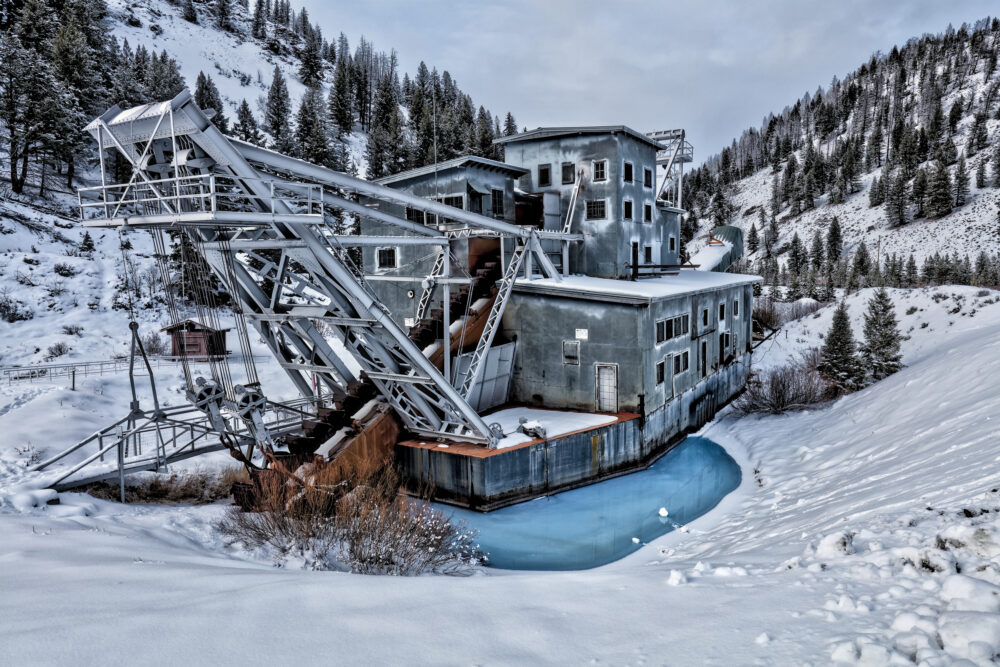
The Yankee Fork Gold Dredge near Sunbeam, Idaho offers a unique opportunity to visit an historic landmark to capture the beauty of an industrial relic of a bygone era nestled in a serene, picturesque valley. My first of several visits here was in winter, with temperatures well below freezing and a snow-covered landscape. As the frosty air enveloped the area, the dredge transformed into a stunning subject, surrounded by glistening white scenery and the subtle hues of winter light. The beauty of this location in winter is that you have the dredge almost to yourself. Summer is busy with tourists, making photogrpahy way more difficult. So this article will guide you through the essentials of preparing for a photography session at this captivating site, from understanding its historical significance and selecting the right gear, to mastering composition and post-processing techniques that will elevate your winter images.
Overview of Yankee Fork Dredge
History and Significance
The Yankee Fork Gold Dredge is like that quirky but fascinating uncle who tells tall tales at family gatherings. Built in the 1940s, this massive contraption was part of Idaho’s gold rush fever, sifting through mountains of soil to unearth hidden riches. Once a symbol of prosperity and industry, today it’s a relic that showcases the ingenuity and audacity of miners seeking their fortune. With its rusted metal and imposing structure, it evokes a sense of nostalgia and intrigue, making it a prime subject for photographers and history buffs alike.
Location and Accessibility
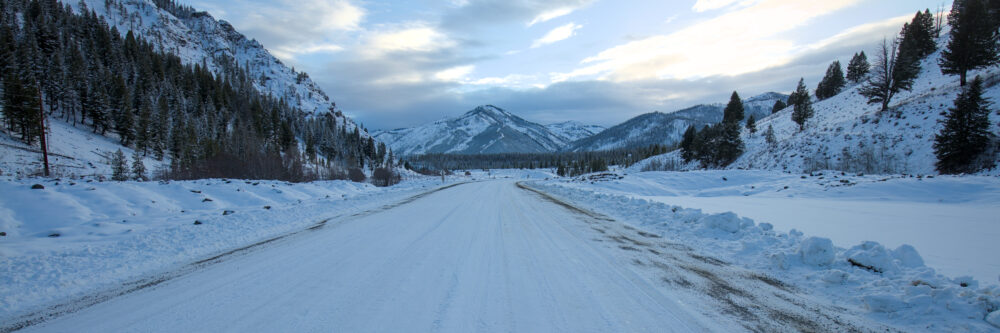
Tucked away in the remote beauty of Idaho, the Yankee Fork Gold Dredge is located near the picturesque town of Sunbeam. Accessible via State Highway 75, the dredge is just a stone’s throw from the Sawtooth National Recreation Area. While it’s not exactly next door to your local coffee shop, the drive is a scenic adventure that’s worth the effort. In winter, be prepared for potential snow covered roads and have a offroad capable vehicle. Definitely check the weather forecast before you head out. Also, plan to carry any necessary gear to recover or dig yourself out of snow. The road to the dredge is unpaved and likely unmaintained in winter. A simple shovel or snow chains can help immensely. Any time you travel anywhere in winter, always put safety first, including having blankets, extra clothing plus food and water in your vehicle. Getting stuck in the snow isn’t the ideal way to start your photography day!
Preparing for Winter Photography
Researching Weather Conditions
Before you dash out the door with your camera, take a moment to check the weather. Winter in Idaho can be unpredictable. Snowstorms can roll in faster than you can say “cheese!” so keep an eye on forecasts. Keep an eye on temperature, snowfall and even sunshine. Sun can be great, but snow turning to slush can make tracks impassable.
Choosing the Best Time of Day
While everyone loves a good sunrise, winter photography is often about the golden hours. The soft light of early morning or late afternoon can transform your images, creating that magical, ethereal quality snow is famous for. Althoughm wuth loudy skies performing as nature’s softbox, it can be possible to shoot outside of thhese times. Just remember to grab your thermos of hot cocoa and set your alarm for some glorious early morning light!
Essential Gear for Cold Weather Shooting
Camera and Lens Recommendations
When it comes to winter photography, your camera setup can make or break your experience. A DSLR or mirrorless camera is ideal and lenses with a wide aperture are great for capturing that dreamy bokeh against snowy backdrops. Don’t forget your polarizing filter to help cut through any glare and enhance colours.
Clothing and Accessories for Comfort
You could be rocking the fanciest photography gear in the game, but if you’re freezing your toes off, good luck getting that perfect shot. Layer up! Think thermal underwear, waterproof jackets and insulated boots because nobody wants icy feet ruining their day. Don’t forget gloves. Those nifty fingerless ones can save your digits during a quick shot while keeping your hands toasty.
Pro Tip: hand warmers are your best friend!
Tripod and Other Equipment Considerations
A sturdy tripod is an essential companion for winter photography, especially when dealing with soft snow or low-light conditions where longer exposures may be needed. You’ll want a model that can handle the cold without succumbing to a case of the wobbles. Additionally, consider bringing a lens cloth to wipe away the snow that inevitably lands on your lens. Mother Nature always has a way of making your life interesting. And, of course, pack extra batteries. The cold will drain them faster than you can say “hot chocolate”.
Capturing Scenic Landscapes in Snow
Understanding Composition in Winter Scenes
To ensure your photos stand out, composition is key when it comes to landscape photography, especially in winter. Use the rule of thirds to guide your framing, placing points of interest off-center for a more dynamic look. Leading lines, such as winding roads or rivers, can draw the viewer’s eye into the frame. Know your camera. Understand metering modes, ISO, aperture and shutter speed to gives your image a good exposure. Know how to get sharp photos. If you’re on a tripod think about bracketing exposures for hdr to gather all of the dynamic range information on your sensor. If taking a photo handheld then read up on the reciprocal rule.
Experiment
And don’t shy away from experimenting. Try shooting during different times of day to capture varied lighting. Changing orientation between portrait vs landscape allows for perfect framing of differing compositions. Remember, it’s not just about what you’re photographing, it’s how you photograph it to create dramatic landscape photographs!
Utilizing Natural Light
Natural lighting is like the magic wand of photography, so wave it at your subjects and make them transform! As already mentioned, early mornings and late afternoons, known as the golden hour, are ideal for capturing the enchanting glow on the landscape. Overcast days can be just as great, softening shadows and bringing out the colours. Just avoid harsh midday sun unless you enjoy blown out highlights and squinty faces. Keep an eye on the weather.
Unique Architectural Features of the Dredge
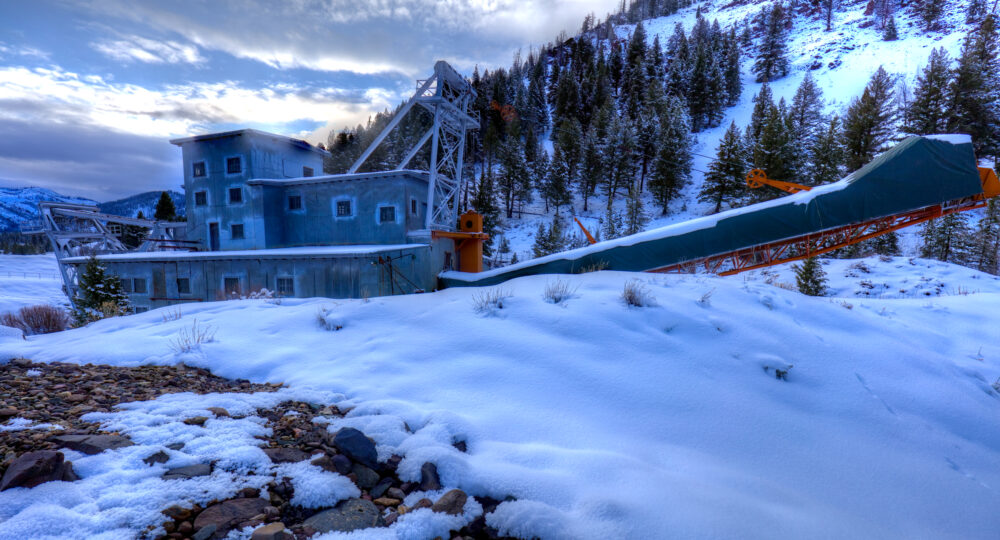
The Yankee Fork Dredge is a historical gem nestled in the Idaho wilderness, showcasing unique architectural features that are even more captivating under a blanket of snow. The towering piles of metal evoke a sense of nostalgia, telling stories of the gold rush era while standing defiantly against the winter chill. The juxtaposition of rusty machinery with a snowy landscape creates an arresting visual narrative that is impossible to ignore.
Textures and Details in Winter
Winter brings a whole new texture to the dredge, as snow settles on its surfaces, highlighting details that might go unnoticed in other seasons. The contrast between the rough, corroded metal and the soft, powdery snow is like a match made in photography heaven. Close-ups of icicles hanging from the dredge’s framework or the intricate patterns made by frost on its surfaces can transform a simple shot into a work of art. Remember to get low and focus on those details; the small things often have the biggest impact!
Incorporating Surrounding Nature
The surrounding landscape is an essential part of the overall aesthetic when photographing the dredge. Pine trees dusted with snow, the stillness of a frozen lake, or even the occasional deer poking through the trees can add depth to your images. Frame your shots to include these elements; they not only showcase the beauty of Idaho’s winter but also provide context for the dredge’s historical significance. Use leading lines like snow-covered paths or branches to draw the viewer’s eye right to the pivotal structure.
Tips for Taking Stunning Winter Portraits
Winter portraits can be magical, especially when framed by the stunning backdrop of Yankee Fork Dredge. But capturing that magic requires some nifty tricks.
Selecting the Right Backgrounds
When choosing backgrounds for winter portraits, look for contrasting elements. The ruggedness of the dredge paired with the softness of freshly fallen snow makes for a striking combination. Additionally, consider backgrounds with pops of color, like evergreen trees or a vibrant red barn. These can help your subject stand out against the white landscape. Don’t shy away from experimenting—sometimes the quirkiest locations yield the most memorable shots!
Adjusting Settings for Low Light
Winter days in Idaho can be shorter and a bit gloomier, which means you’ll need to adjust your camera settings accordingly. Increase your ISO to capture more light, but keep an eye out for noise. A wider aperture (smaller f-stop number) can help as well, allowing more light in while creating a lovely background blur. If you’re battling low light, don’t forget to balance with a slower shutter speed; just make sure your subjects are still for a moment—no one wants a blurry snow angel!
Post-Processing Winter Photographs
After capturing that winter wonderland, it’s time to bring your photos to life in the editing room.
Paid Or Free Software
By all means, pay for the photo editing software of your choice. MrsFaceless and I use a mix of paid and free software from an old version of Photoshop, Topaz DeNoise, Photomatix, Darktable and Gimp. The majority of our editing is now done in Darktable.
Basic Editing Techniques
Once you’ve snapped that perfect shot, it’s time to give it a little TLC in post-processing. Start with basic adjustments. Tweak the exposure, contrast and white balance to make your photos sparkle. Cropping can also help you refine your composition, so don’t hesitate to trim the edges if it means a more impactful image.
Enhancing Colors and Contrast
Winter photographs can sometimes appear flat due to muted colours. To give your images a new lease on life, increase the contrast to accentuate the differences between the snow and the dredge. Play around with saturation and vibrancy to bring out the icy blues and the rich earth tones of the machinery. A little tweaking goes a long way. Just avoid the temptation to go overboard, or you might end up with a photo that looks like it belongs in a cartoon!
Creating a Winter Mood in Edits
To evoke that cozy, wintery vibe, try adding a slight cool tone to your images. This will enhance the frosty feeling that winter brings. You may also want to play with a vignette effect to draw focus toward the center of your photograph. Think of it as a warm hug for your image, a touch that brings everything together while keeping the cold outside.
Winter Photography at Yankee Fork Gold Dredge
Winter photography at the Yankee Fork Gold Dredge is an experience that blends history, nature, and artistry.
Reflecting on the Experience
As you wrap up your photography adventure, take a moment to reflect on the sights, sounds and sensations of the day. The crunch of snow beneath your boots, the crisp air filling your lungs and the quiet beauty of the dredge all contribute to an unforgettable experience. Hopefully, your camera is filled with images that do justice to this winter wonderland!
Encouragement for Future Visits
Don’t let winter’s chill keep you indoors! The beauty of the Yankee Fork Gold Dredge is ever changing and each season offers new opportunities to capture the magic. So bundle up, grab your camera and make plans for another visit. Who knows what hidden gems you’ll discover on your next outing? Embrace the cold, and happy shooting!
Conclusion
In conclusion, winter photography at Yankee Fork Gold Dredge provides an exceptional canvas for capturing the enchanting charm of Idaho’s landscapes and history. By preparing adequately, utilizing the right techniques, and embracing the unique aspects of this season, photographers can create stunning images that resonate with the beauty of the moment. As you venture out to explore this remarkable site, let your creativity flow and enjoy the process of documenting the winter wonderland that surrounds you.