

We all love looking at amazing outdoor photos. They pull us in, showing us places we dream of seeing. But sometimes finding fresh ideas can feel tricky. So how do you find inspiration for landscape photography?
Getting good ideas is key for truly great nature pictures. It’s more than just being in a pretty spot. It really comes down to how you think and look at things. Your personal view turns a simple scene into a work of art. This article will share helpful tips, change how you think and give you tools. These ideas will help you keep finding new sparks for your outdoor picture-taking journey.
Harnessing the Power of Observation
Looking closely at nature helps you see small details. It also helps you understand how light, arrangement and what you shoot all work together. This section is all about opening your eyes to the world around you.
Cultivating a Mindful Approach to Nature
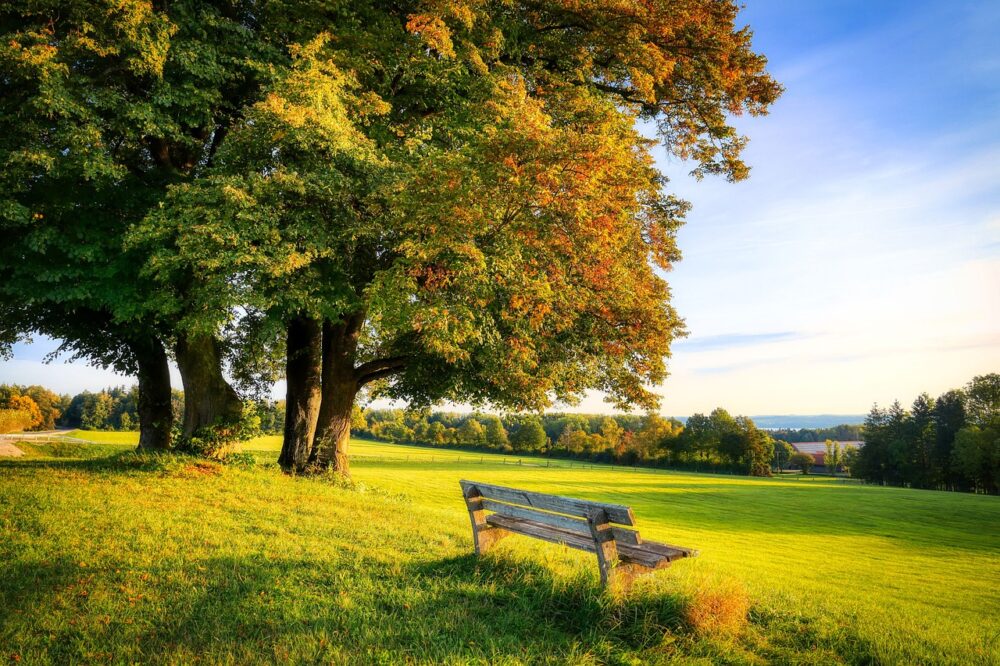
Slow down when you are outdoors. Instead of just walking through a scene, really stop and feel it. This active engagement helps you notice more than you would if you rushed. It lets nature speak to you and should be inspiration for landscape photography.
Try taking observation walks where you leave your camera behind. Just notice the shapes of trees or how shadows fall. When you are out to photograph, stop for a few minutes. Have a seat. Maybe a drink and a sandwich. Give yourself time to take in the scenes around you. Only then should you start looking for more specific compositions.
Understanding Light and Its Mood
Different kinds of light change a scene’s whole feeling. Think about the soft glow of sunrise or the dramatic light from stormy clouds. Each moment makes a unique picture. That harsh light at noon can create strong shadows, too.
If you visit the same place often then try keeping details. Write down what the light looks like at various times. Note how it changes with the weather.
Deconstructing the Elements of a Scene
When you look at a scene, try to break it down. Find a strong element close to you that acts as a foreground interest. Look for interesting things in the middle distance and a captivating background. Think about lines that lead your eye into the photo or balanced, symmetrical views.
You might use a simple frame made of your hands, or even a cell phone to help you see possible compositions. This trick helps isolate parts of a view. It shows you what might make a powerful shot before you even lift your camera.
Exploring the World Through Other Lenses
Sometimes, finding inspiration for landscape photography come from outside sources. Seeing how other artists work or doing some research can spark fresh ways to shoot nature. This section explores how others can inspire your vision.
Studying the Masters of Landscape Photography
Spend time looking at photos by great outdoor artists. See how they use light, what colours they pick, and the themes they often show. This helps you grasp their methods and what makes their work strong.
Start a digital folder or a mood board with photos that speak to you. Notice what elements you often find yourself liking. Look at online galleries like Flickr or 500px. Watch Youtube videos for location ideas and compare techniques and styles being used.
Immersing Yourself in Art and Culture
Inspiration for landscape photography can also jump out from other types of art. Paintings, books, movies and music often show nature in powerful ways. They can capture its spirit in a way that fuels your own ideas. A trip to an art museum can offer a fresh outlook.
Visit local art galleries or museums. Search for outdoor paintings or pictures that make you feel something strong.

Leveraging Travel and New Environments
Going to new places, even familiar ones you look at differently, can open up new creative paths. A fresh view of a known spot often helps you see it in a whole new way. You might discover details you never noticed before.
When you plan photo trips, think about a certain goal or a theme. This is better than just hoping to get good shots. Perhaps you focus on waterfalls, or maybe you only shoot in foggy weather.
Researching and Planning Your Shoots
This part is about the smart steps you take before you even go out to shoot. It helps you find amazing spots and guess the best times to capture them. Good planning makes a big difference.
Utilizing Digital Tools and Resources
Today, many helpful apps and websites exist to scout locations and plan your shoots. These digital aids save time and can guide you to hidden spots. They make planning much easier.
Use tools like Google Earth to scout places from home. Photography apps like PhotoPills or The Photographer’s Ephemeris help you predict where the sun will rise or set. Many photographers now use these apps regularly, making them a very popular part of their planning.
Understanding Weather Patterns and Seasons
Knowing about weather and seasonal changes is very important. Check weather and clouds on apps like Windy. You can use fog, snow or thunderstorms to make your outdoor photos exciting and one-of-a-kind. These natural events add drama.
Always check local weather forecasts. Look for chances to shoot during dramatic weather like a fresh snowfall or a misty morning. Imagine the difference between mountains covered in spring wildflowers versus their colors in autumn. Each season offers unique beauty.
Seeking Out Local Knowledge and Hidden Gems
Talking to people who live in an area can lead you to great photo spots not found in guidebooks. Local folks often know the less-traveled paths and secret views. Their insights are golden.
Join online photography groups or forums in the area you plan to visit. Ask about places that are not widely known. You might discover a truly special spot this way, giving your photos a unique touch.
Developing Your Unique Photographic Voice
Moving past just copying others helps you find your own way to shoot. This section helps you discover your own style and what kinds of scenes truly interest you. It’s about making your photos uniquely yours.
Experimenting with Different Techniques and Styles
Don’t be afraid to try new things with your camera. Step outside your usual way of shooting, editing, or choosing what to picture. This helps you grow and find new favorites. It can even lead to unexpected results.
Set aside a day to try a photo method you rarely use, like long exposure shots. Or maybe try HDR imaging. This pushes your limits and expands your skills.
Identifying Your Personal Connection to a Landscape
Think about why certain outdoor places draw you in. Your own feelings, past events, and values can make your photos deeper. This personal touch adds a story to your pictures.
Reflect on what makes you feel connected to a scene. Then, try to put that feeling into your photos. As many picture-takers say, you should not just see a natural view, you should feel it.
Focusing on Storytelling and Emotion
Go beyond just taking a picture of what’s there. Try to tell a story or make someone feel a certain way when they look at your image. A good photo does more than show; it speaks.
Before you press the button, ask yourself: “What tale does this scene tell?” Or, “What feeling do I want my photo to stir?” This simple thought can change your whole approach.
Overcoming Creative Blocks
Sometimes, ideas just don’t come easily. This section offers ways to get past those moments when inspiration seems to disappear. It helps you stay motivated.
Embracing Imperfection and Iteration
Understand that not every photo session will be perfect or groundbreaking. Some attempts won’t work out, and that’s okay. These moments are chances to learn and get better for next time.
Look at tough photo shoots as lessons. Think about what you could have done differently. Every time you try, you improve your skills and understanding.
Seeking Feedback and Collaboration
Sharing your pictures with others can bring new ideas and fresh viewpoints. Working with other photographers often sparks new thoughts. Different eyes see different things.
Join a photo critique group or show your pictures to friends you trust. Ask them for honest thoughts. This can help you see your work in a new light and give you ideas for future shots.

The Importance of Rest and Rejuvenation
Getting too tired from creative work is real. Sometimes, stepping away from your camera for a bit brings back all your good ideas. Your mind needs a break to recharge.
Take regular time off from photography. Do other fun things you enjoy, or simply go outside without your camera. This helps clear your mind and often brings new bursts of inspiration.
Conclusion
Finding inspiration for landscape photography is a journey with many parts. It means you must observe closely, look for new things, plan your shoots, and truly know yourself. It’s about being active and curious, not just waiting for good ideas to suddenly appear.
A great outdoor photographer searches for inspiration, shapes it, and uses it to tell their own story. We hope you take these ideas and make them your own. Use them to capture the amazing beauty of nature in your special way.
A Selection Of Guide Articles
Guide: How To Photograph Trees And Forests
Trees and forests capture unique light and combined with their random shapes they make for excellent photographic subjects
Why Good Weather Is Bad
The paradox of why good weather is bad and bad weather is good when it comes to getting better results with your landscape photography
Inspiration for Landscape Photography
Find your inspiration for landscape photography in many forms, from peaceful relaxation in nature to visiting galleries or hunting online
Long Exposure Photography
Long exposure photography tips and tricks, understanding filters and the role light plays in choosing the right camera settings
Using Reflections In Landscape Photography
We look at how to best use reflections in landscape photography as the method to add symmetry to you compositions
Adapting A Vehicle For Landscape Photography
We talk about the thought process and steps we took to make life easier when adapting a vehicle for landscape photography
RAW Format Photography
Understanding Camera RAW format files and why they are best for photographers wanting optimal image quality and processing flexibility
Mastering Exposure
Mastering exposure requires understanding of the three principal mechanisms: shutter speed, aperture size, and the photographic material's level of sensitivity to light (ISO)