
The Perfect Winter Destination
Photographing Death Valley National Park in California offers a unique opportunity to capture one of the most striking landscapes in North America. Comprising mountains, dunes and both mud and salt flats, there are ample opportunities for a wide variety of subjects. As the lowest point in the United States and renowned for its scorching temperatures, this vast area presents photographers with an array of captivating elements, from the intricate patterns of salt crusts to the dramatic backdrop of the Panamint Mountains. Whether you are a seasoned photographer or an enthusiastic beginner, understanding the best times to visit, the essential gear to bring and effective composition techniques can significantly enhance your photographic experience. This article will guide you through the essential aspects of photographing the different areas within Death Valley National Park, ensuring you make the most of this otherworldly location.
Overview of Badwater Basin: The Hottest Place in North America
Badwater Basin is not just a feature on a map. It’s a blistering badge of honour for the Mojave Desert. And it proudly earns the title of the hottest place in North America. Sitting at 282 feet below sea level, this saline sink boasts a landscape that looks like a natural canvas painted in hues of white and brown. With its expansive salt flats, rugged mountains and the ever-looming presence of the Panamint Range, it’s a photographer’s dream. Be careful not to sink into the primordial goop though. Just don’t ask me how I know!
Geographical Features and Formation
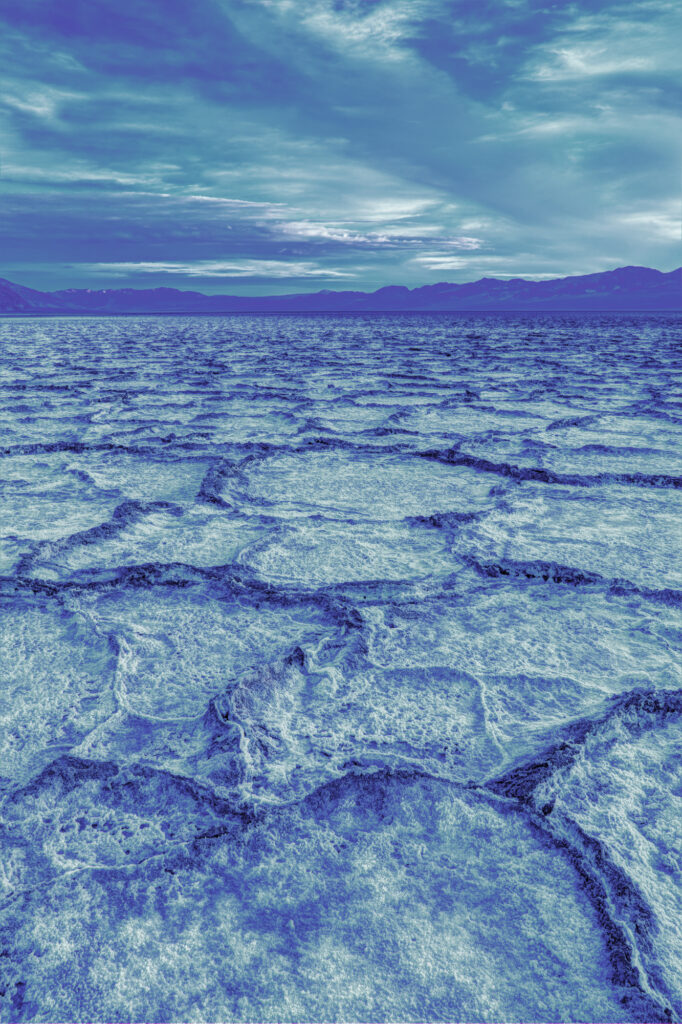
Formed millions of years ago through tectonic activity and subsequent evaporation of ancient seas, Badwater Basin is like nature’s way of showing off. The salt flats are a remnant of a once vast body of water, now reduced to an otherworldly expanse that stretches endlessly. The unique hexagonal salt formations underfoot, created by evaporation and crystallization, are not only fascinating to observe but also perfect for those symmetry shots.
Historical Significance
Badwater Basin isn’t just a pretty face; it’s got a history steeped in adventure and survival. Discovered by American explorers in the late 19th century, the area became a well-known waypoint for miners seeking their fortunes during the California Gold Rush. The name “Badwater” is a nod to the basin’s undrinkable water.
Understanding the Salt Flats: Formation and Patterns
Nestled at 282 feet below sea level, Badwater Basin is the lowest point in North America. It wears its title with pride. The salt flats here are not just flat; they’re a canvas of nature’s artistry. Formed over thousands of years through the evaporation of water that’s left behind minerals, these flatlands are etched with stunning hexagonal patterns. The mesmerizing sight makes you feel like you’ve stumbled into a giant’s game of marbles! Be sure to capture the unique textures and formations. These can change dramatically depending on the time of day and weather conditions.
Artists Palette
Artist’s Palette, located within Death Valley National Park in California, is a breathtaking natural wonder renowned for its vibrant array of colours and unique geological formations. This captivating landscape is a testament to the park’s rich geological history. It showcasese hues of pink, purple, green and gold that draw photographers, artists and nature enthusiasts from around the world. Artist’s Palette offers visitors an almost unrivalled pastel experience in stark contrast to other expansive vistas within the Park.
Location and Accessibility
Nestled within the stunning expanse of Death Valley National Park, Artist’s Palette is a vibrant spectacle located off the scenic Artists Drive. The best part? You can reach it via a 9 mile circular route that’s perfect for a leisurely drive or a quick pit stop for holiday snap. Just keep your eyes peeled for the signs as this place can be a little shy behind the park’s rugged terrains!
Formation Processes and Natural Influences
The vibrant scene you see today is a result of millions of years of geological drama. Volcanic activity, erosion, and the ever-persistent forces of nature have collaborated to carve out this marvel. Picture ancient lava flows, weathering and mineral deposits working together. This is like Mother Nature’s very own collaboration and the result is simply spectacular.
Mesquite Sand Dunes
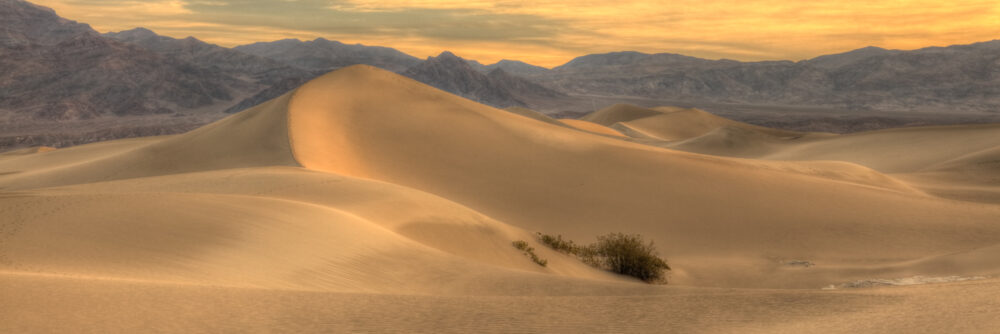
The Mesquite Sand Dunes, a captivating natural wonder located within Death Valley National Park, beckon adventurers and nature enthusiasts alike with their sweeping landscapes and unique ecosystems. Stretching across an expansive area, these stunning dunes are characterized by their impressive heights and mesmerizing patterns, shaped by the relentless desert winds. As one of the park’s most iconic features, the Mesquite Sand Dunes offer visitors a chance to experience the serenity and beauty of the California desert while engaging in various activities, from hiking and photography to stargazing under the vast night sky.
History and Formation
The Mesquite Sand Dunes are a spectacular example of nature’s artistry, shaped over thousands of years by wind and time. These stunning dunes have witnessed the ebb and flow of eons, with the process of erosion from nearby mountains and the relentless whisper of the desert wind sculpting them into the majestic formations we see today. Though relatively young in geological terms, these dunes tell the story of the Earth’s shifting sands. They are a reminder that nothing in nature stands still for long.
Access Routes and Transportation
Reaching the Mesquite Sand Dunes is as straightforward as a desert breeze. The dunes are conveniently located a mere 30-minute drive from the Furnace Creek Visitor Center, which means you can go from “we need snacks” to “we’re in the dunes” quicker than you can say “sand in my shoes.” The main route is via Badwater Road, and you’ll want to keep your eyes peeled for the clearly marked turn-off to the dunes. Just remember, in the desert, “road” can sometimes mean “dusty path”. Or vague rocky track. So take it easy, and enjoy the scenery along the way.
The Racetrack – Racetrack Playa
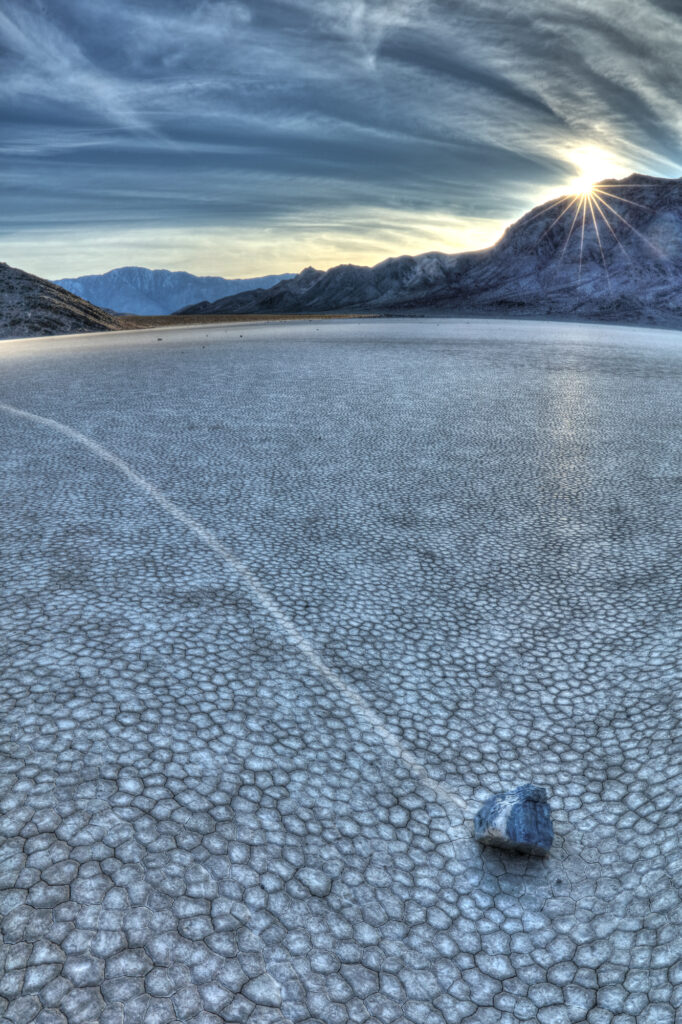
Racetrack Playa, located in Death Valley National Park, California, is a mesmerizing geological wonder known for its unique and mysterious sliding rocks that leave long trails across its dry lakebed. This expansive, flat basin, framed by rugged mountains, offers a striking landscape that captivates scientists, photographers, and nature enthusiasts alike. The Playa’s intriguing phenomena, combined with its rich ecological diversity and cultural significance, make it a must visit destination for anyone exploring the wonders of the American Southwest.
Location and Geography
Racetrack Playa, nestled in the heart of Death Valley National Park, California, is a stunning allure for adventurers and geology buffs alike. Located at an elevation of about 3,700 feet, this dry lakebed stretches approximately 2.5 miles long and 1 mile wide. It is surrounded by the striking Panamint Range to the west and the rugged Racetrack Mountains to the east. The area’s high desert climate means you should pack plenty of water and sunscreen. And then some more water. Don’t forget, an extra snack or two for good measure.
Dimensions and Features
This flat expanse of cracked earth has a surface that at first glance looks like a masterpiece of abstract art, if your idea of art involves lots of flatness. The Playa is famous for its unique features, including the mysterious “sliding rocks” that seemingly defy the laws of physics. With a surface composed of fine, dry silt and occasional patches of pebbles, Racetrack Playa has an average depth of just a few inches, making it a spectacular, albeit somewhat crusty, canvas for nature’s phenomena.
Unique Phenomena: The Sliding Rocks
Mechanics of Movement
What’s all the buzz about the sliding rocks, you ask? It turns out these rocks haven’t been taking a joyride on their own. Rather, the movement happens when a unique combination of weather conditions arises. Ice forms around the rocks during the chilly nights and as it melts during the day, the rocks slip and slide across the muddy surface below. It’s basically the Earth’s version of a rock concert complete with a dramatic entrance and exit!
Scientific Studies and Findings
Various scientific studies have sought to unravel the mystery of the sliding stones. In recent years, researchers have equipped some rocks with GPS trackers and cameras. I guess even rocks need their social media moments. These studies have confirmed that the rocks can move at speeds up to 5 meters per minute, proving that even if they’re slow, they can definitely be dramatic.
An Honourable Mention – Rhyolite Ghost Town
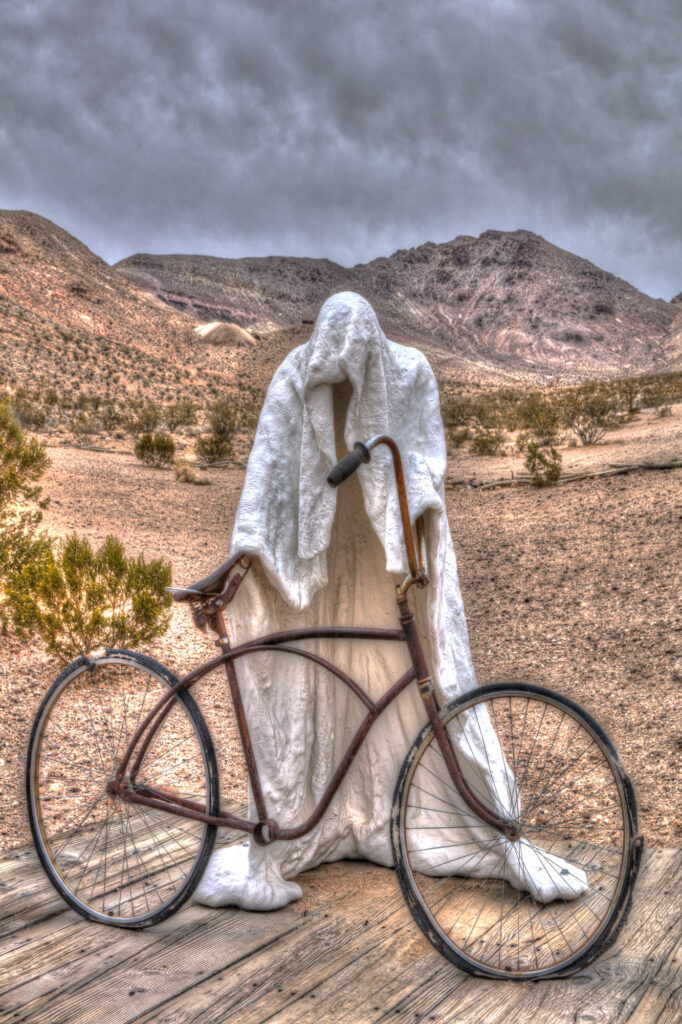
Whilst not in Death Valley National Park, Rhyolite is worth a mention as it is very close by. In fact, it isn’t even in California, but just over the border in Nevada. Founded in the early 1900s, this once thriving town quickly rose to prominence due to its mineral wealth, attracting prospectors and settlers eager to strike it rich. However, as swiftly as it flourished, Rhyolite fell into decline, ultimately becoming a ghost town by the 1920s. Today, the remnants of its past, abandoned buildings, art installations and fascinating stories draw visitors from around the world, eager to explore the echoes of its vibrant history and the mysteries that continue to surround it.
Gold Discovery and Mining Boom
The tale of Rhyolite starts with a spark of luck in 1904 when gold was discovered in the nearby Bullfrog Hills. This glittering find sparked a gold rush that saw prospectors flocking to the area faster than you can say “there’s gold in them thar hills!” Within just a few short years, Rhyolite transformed from a dusty outpost to a buzzing hub of activity, boasting saloons, stores and even a stock exchange. Because let’s face it, what’s a mining town without some high-stakes gambling and a place to grab a drink?
Founding and Growth of the Town
Founded shortly after the gold discovery, Rhyolite saw its heyday around 1906. With an enthusiastic population peaking at around 10,000, it had all the trimmings of a thriving community with schools, churches and the famous Rhyolite Opera House. The town was more than just a pit stop. It was a booming metropolis in the middle of the barren Nevada desert, complete with all the hopes and dreams that come with a gold rush. Unfortunately, as is often the case, the good times couldn’t last forever.
Impact of the Gold Bust
As quickly as the gold rush began, it fizzled out. By 1910, the once-thriving town began spiraling into decline as gold production waned. Mines closed and the economic engine that had driven Rhyolite came to a grinding halt. With dreams dashed and pockets empty, residents began packing up and leaving for greener pastures. A phenomenon as common as tumbleweeds in the desert.
Standing Structures and Ruins
Despite the town’s decline, a few structures still stand proudly, telling stories of their past. From the remains of the train depot to the crumbled facades of grocery stores, these ruins serve as a backdrop for the desert’s wild landscape. It’s like walking through a very quiet movie set, where the only thing missing is the dramatic music that usually accompanies ghost towns in film.
Best Times to Photograph Death Valley National Park
Timing is everything in photography and at Death Valley National Park, it’s no different. Each season brings a unique twist to the landscape, making it essential to plan your visit accordingly. Unless you fancy melting into a puddle of regret.
Spring: Wildflower Blooms and Moderate Temperatures
In spring, the heat is still in the background, but the wildflowers are center stage, making for a picture-perfect scene. The contrast of vibrant blooms against the stark whiteness of the salt flats creates a delightful palette. Temperatures are comfortable, making it a splendid time to explore without feeling like you’re being roasted in an oven.
Summer: Heat and Unique Lighting Conditions
Welcome to summer. The season that challenges your very existence. With temperatures soaring to record highs, photographing Death Valley National Park becomes a true test of grit. However, the harsh light can result in striking contrasts and shadow play, especially during the early morning or late afternoon. Just remember to bring plenty of water, sunscreen and maybe a portable fan if you really want to maintain your cool. And to reiterate, it’s hot.
Fall: Colour Changes and Cooler Weather
As summer sizzles to an end, fall arrives with a ‘cooler’ embrace and subtle colour changes. The landscape transforms, providing a feast for the eyes (and the camera). The golden light of autumn enhances the salt structures and surrounding mountains, offering photographers a rich, warm palette that beckons to be captured.
Winter: Rare Snowfall and Photogenic Contrast
Ah, winter. When the desert finally gets its moment in the snow. While snowfall is rare, it does happen occasionally, blanketing the Park and creating a stark, beautiful contrast with the dark mountains and white salt flats or dunes. This season is perfect for those looking for a unique take on the landscape. Just be prepared for chilly temperatures, and don’t forget your gloves. The desert does get cold!
Our Seasonal Experiences
MrsFaceless and I have visited Death Valley National Park a number of times. In August the temperature was 110 degrees. Just stepping from the car into the bar at Stovepipe Wells for lunch was an ordeal. Visits during May and October were more agreeable, but still very hot. Our favourite trip, however, was in January. With temperatures still in the high 70s during the day, but cooler nights, it was the perfect combination. The fact we had long days in the car and hikes through rough terrain or strength sapping sand dunes, the cooler temps of January was by far, best suited to our activities.
Essential Photography Gear
When it comes to capturing the essence of Death Valley National Park, having the right gear can make all the difference. Whether you’re a seasoned pro or not, here’s what you’ll want to bring along for the ride.
Lens Recommendations for Landscape Photography
For landscape photography, wide-angle lenses are your new best friend. Look for something in the 16-35mm range to capture the vastness of Death Valley National Park. Don’t forget a zoom lens if you want to capture those distant mountain peaks, or a macro lens if you’re interested in getting up close and personal with salt crystals.
Tripods and Stabilizers
A sturdy tripod is a must-have for landscape shots, especially during dawn and dusk when the lighting changes swiftly. Investing in a good tripod means your photos won’t end up looking like they were taken by a shaky toddler.
Filters: Polarizers and ND Filters
Filters can enhance your images in ways that basic settings can’t. A polarizing filter can help manage reflections on the salt flats and boost colours, while neutral density (ND) filters will allow you to take longer exposures, creating dreamy, ethereal shots of the horizon. Just sometimes nature needs a little extra help to look its best!
Composition Techniques for Stunning Landscape Shots
Now that you’ve got your gear sorted, it’s time to talk composition. After all, even the most stunning location needs a little artistic flair to make those photos shine.
Framing and Composition Tips
To ensure your photos stand out, composition is key when it comes to landscape photography. Use the rule of thirds to guide your framing, placing points of interest off-center for a more dynamic look. Leading lines, such as winding roads or rivers, can draw the viewer’s eye into the frame. Know your camera. Understand metering modes, ISO, aperture and shutter speed to gives your image a good exposure. Know how to get sharp photos. If you’re on a tripod think about bracketing exposures for hdr to gather all of the dynamic range information on your sensor. If taking a photo handheld then read up on the reciprocal rule.
Incorporating Foreground Elements
To add depth to your shots, include interesting foreground elements. This could be a unique rock formation, salt crusts, or even a wildflower or two. Placing these elements in the foreground creates a three dimensional feel, allowing your audience to feel like they’re stepping right into the desert with you.
Experiment
And don’t shy away from experimenting. Try shooting during different times of day to capture varied lighting. Changing orientation between portrait vs landscape allows for perfect framing of differing compositions. Remember, it’s not just about what you’re photographing, it’s how you photograph it to create dramatic landscape photographs!
Utilizing Natural Light
Natural lighting is like the magic wand of photography, so wave it at your subjects and make them transform! As already mentioned, early mornings and late afternoons, known as the golden hour, are ideal for capturing the enchanting glow on the waterfalls and foliage. Overcast days can be just as great, softening shadows and bringing out the colours. Just avoid harsh midday sun unless you enjoy blown out highlights and squinty faces. Keep an eye on the weather. A little drizzle can enhance the glistening effect of the falls!
Safety Tips for Exploring the Basin
Safety is paramount in the extremes of Death Valley National Park. Always carry plenty of water, you’re going to need it! Wear sturdy shoes or boots and don’t forget sunscreen or appropriate clothing to provide shade. It’s also wise to check weather conditions before heading out. A sudden storm in a desert (or the nearby hills) can be unpredictable. Flash floods are possible and have caused major issues in years gone by. Finally, keep an eye on your surroundings, especially if you’re distracted by all that beauty, to avoid wandering into any tricky terrain!
Post-Processing Tips
Paid Or Free Software
By all means, pay for the photo editing software of your choice. MrsFaceless and I use a mix of paid and free software from an old version of Photoshop, Topaz DeNoise, Photomatix, Darktable and Gimp. The majority of our editing is now done in Darktable.

Basic Editing Techniques
Once you’ve snapped that perfect shot, it’s time to give it a little TLC in post-processing. Start with basic adjustments. Tweak the exposure, contrast and white balance to make your photos sparkle. Cropping can also help you refine your composition, so don’t hesitate to trim the edges if it means a more impactful image.
Colour Correction and Enhancing Textures
Death Valley National Park is all about striking contrasts between the bright white salt flats to the vibrant colours of the surrounding rocks. Use colour correction tools to balance the hues and enhance textures to highlight those unique patterns.
Creating Panoramas and HDR Images
Take your photography to the next level with panoramas and HDR images. Shooting multiple images and stitching them together can provide a sweeping view of the vast landscape, capturing the essence of the vast desert. For HDR, bracket your exposures to bring out the highlights and shadows within the scene. The result is breathtaking, lifelike images that will have your viewers imagining themselves right there with you!
Conclusion
Plan your trip to Death Valley National Park with specifics in mind. Where do you want to visit? How long will it ake to get there? How much time will i spend there? Then match that with the logistics of dirt roads, remote and unforgiving terrain and the expected weather for the time of year of your visit. This is a great place to visit, but do take care. This is a desert with an incredibly harsh environment and requires good planning and that includes for your personal safety.