
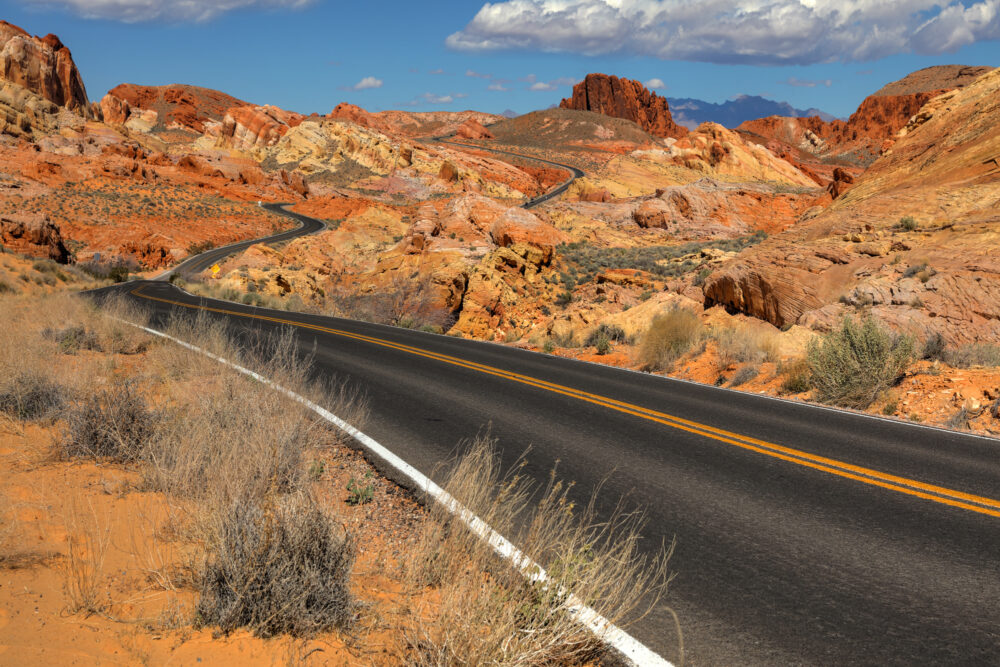
Valley of Fire State Park in Nevada is a breathtaking oasis of vibrant red rock formations, ancient petroglyphs and stunning desert landscapes. Known for its striking geological features and diverse wildlife, the park provides photographers with an unparalleled opportunity to capture the beauty of the Mojave Desert. Whether you are a seasoned professional or an enthusiastic beginner, understanding the best practices and locations for photography in this unique environment is essential. In this article, we will explore the best times to visit, the essential gear you’ll need and tips for capturing the park’s captivating scenery, ensuring that your photography experience in the Valley of Fire is both rewarding and memorable.
Overview of Valley of Fire State Park
Valley of Fire State Park, Nevada’s oldest state park, is a photographer’s dream adorned with vibrant red sandstone formations that appear to be straight out of a creative mind’s sketchbook. Located just an hour from Las Vegas, this wild landscape boasts striking geological features and an otherworldly feel, making it a must-visit for anyone looking to capture the beauty of the desert.
Geological Features and Landscape
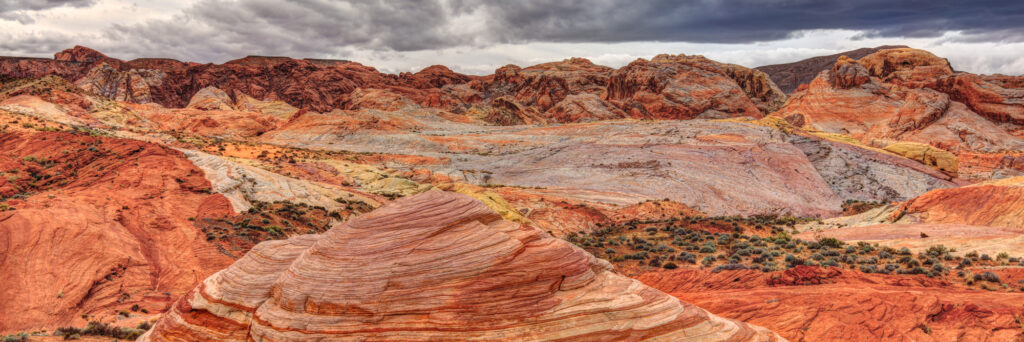
The park’s geological marvels are the result of 150 million years of sedimentary deposits, erosion, and some serious reshaping by nature’s hand (and probably a touch of cosmic influence). The iconic red rocks, ancient petrified trees and stunning arches create a cacophony of colours and textures, offering a plethora of compositions for any photographer. From the swirling patterns of Fire Wave to the towering cliffs of the Rainbow Vista, each corner of the park presents a new opportunity to snap that perfect shot.
Historical Significance
Beyond its breathtaking views, Valley of Fire is rich in history, with petroglyphs dating back over 2,000 years left behind by the Mohave and Ancestral Puebloan people. These ancient carvings tell stories of a time long past, adding depth to your photography adventures. Exploring the park feels like stepping back in time and capturing these historical fragments can evoke a sense of connection to the land and its peoples.
Best Times to Visit for Photography
To get the best shots, timing is everything and Valley of Fire is no exception. Whether you’re a fan of vibrant sunrise colours or the soft hues of dusk, planning your visit around these magical moments can elevate your photography game.
Seasonal Considerations
While Valley of Fire is stunning year round, each season has its own vibe. Spring and fall offer mild temperatures and blooming desert flora, perfect for outdoor exploration. Summer can be scorching, but it also brings dramatic cloud formations in the sky. Winter, though chillier, can create striking contrasts between the snow dusted rocks and the vibrant red hues. MrsFaceless and I knew we’d be spending long days here and hiking around, so opted for a January visit. We found that to be perfect for our needs, not too hot during the day and only mildly chilly in the early mornings. So, pack accordingly and be ready to adapt to nature’s whims!
Golden Hour and Blue Hour
The golden hour, the time just after sunrise and just before sunset, provides that enchanting warm light that makes everything look 10 times more magical. The blue hour, the time just after sunset, offers a cool, soft light that’s just as captivating. Timing your shots during these key hours can turn a good photo into a great one, and trust us, the Valley of Fire is more than ready to put on a show.
Essential Photography Gear
Before you embark on your photographic journey through the Valley of Fire, let’s ensure you have the right tools in your arsenal. Whether you’re a DSLR or mirrorless shooter, there are a few essentials that will help you capture the park’s stunning beauty with finesse.
Camera and Lenses
Your camera choice will depend on your experience level, but if you have a DSLR or mirrorless setup, great! A wide-angle lens (like 16-35mm) will help you capture those expansive vistas, while a telephoto lens (70-200mm) can zoom in on those intricate details. It’s also worth bringing a macro if you have it for those more intimate shots or plants or patters.
Tripods and Stabilization Equipment
A sturdy tripod is your best friend for landscape photography, especially during low light conditions at sunrise or sunset. It’ll help you avoid that dreaded handshake and keep your shots sharp.
Filters and Accessories
Polarizing filters are a game changer in the desert, helping to enhance colours and reduce glare from reflective surfaces, like rocks and sand. Neutral density filters can also come in handy if you want to capture silky smooth water effects in any rare desert springs. Don’t forget extra batteries and memory cards. After all, you don’t want to run out of juice when you’re in the middle of a stunning shot!
Key Locations and Landmarks to Capture
Now that you’re geared up and ready to go, let’s talk about some of the must-visit locations in Valley of Fire that will have your camera clicking non-stop.
Fire Wave
Fire Wave is the star of the show, featuring stunning, undulating rock formations with striking red and cream stripes. A relatively easy hike leads you to this iconic formation, and the unique patterns make it ideal for both sunrise and sunset photography. Just be prepared to share the spotlight with plenty of fellow photographers!
Atlatl Rock
Well-known for its fascinating petroglyphs, Atlatl Rock offers both historical significance and visual appeal. A short climb to the viewing platform provides a sweeping vista of the valley, making it a great spot to capture the rugged landscape and those ancient carvings that add an extra layer of storytelling to your shots.
Mouse’s Tank
This natural rock basin collects rainwater, creating a unique oasis in the desert. The surrounding rock walls display a treasure trove of petroglyphs, and the hike to Mouse’s Tank is both scenic and rich in history. It’s a perfect place to experiment with composition, framing the petroglyphs against the stunning backdrop of the valley.
Elephant Rock
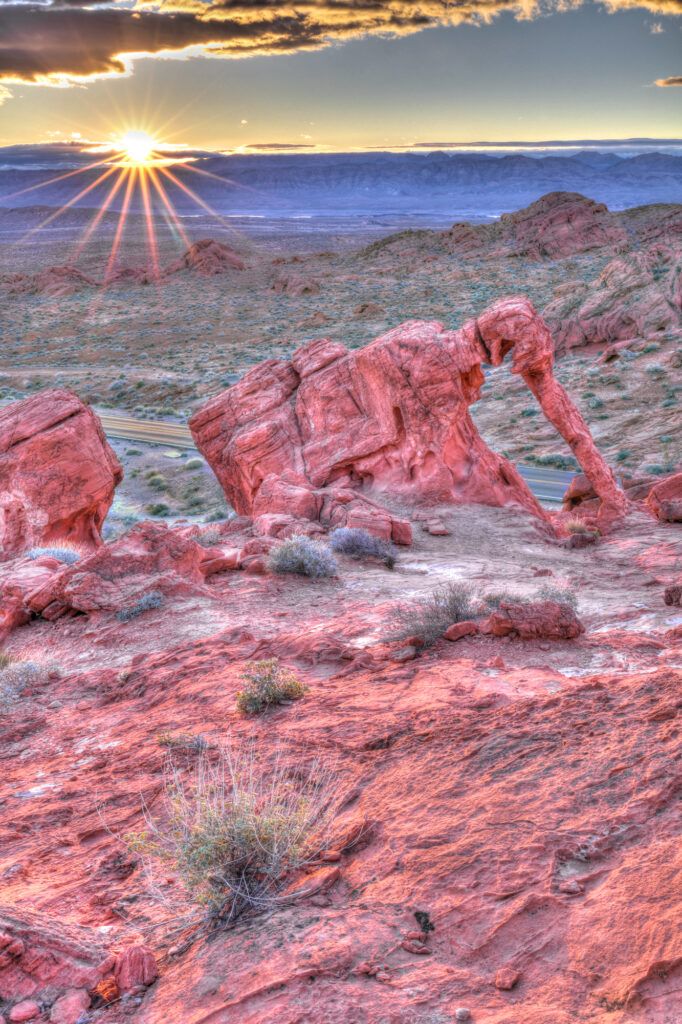
Rounding out the must-see locations is Elephant Rock, a massive sandstone formation that truly resembles, you guessed it, an elephant! It’s an easy stop along the scenic drive, ideal for quick snaps or a leisurely stroll to capture the rock’s majestic form. Don’t forget to angle your shots to give it that ‘tip-of-the-trunk’ perspective for added whimsy!
Tips for Landscape Photography
Framing and Composition Tips
To ensure your photos stand out, composition is key when it comes to landscape photography. Use the rule of thirds to guide your framing, placing points of interest off-center for a more dynamic look. Leading lines, such as winding roads or rivers, can draw the viewer’s eye into the frame. Know your camera. Understand metering modes, ISO, aperture and shutter speed to gives your image a good exposure. Know how to get sharp photos. If you’re on a tripod think about bracketing exposures for hdr to gather all of the dynamic range information on your sensor. If taking a photo handheld then read up on the reciprocal rule.
Experiment
And don’t shy away from experimenting. Try shooting during different times of day to capture varied lighting. Changing orientation between portrait vs landscape allows for perfect framing of differing compositions. Remember, it’s not just about what you’re photographing, it’s how you photograph it to create dramatic landscape photographs!
Long Exposure Techniques
While the Valley of Fire is known for its solid rocks, capturing movement can add a whole new dimension to your shots. For long exposure photography, consider flowing water (like the nearby rivers) or cloud movement in the sky. Use a sturdy tripod, polarizing filters and low ISO settings to ensure your images are sharp and stunning. Just don’t take too long as nature has a way of not holding still!
Wildlife Photography Opportunities
Common Species to Photograph
The Valley of Fire isn’t just for avid landscape photographers, it also boasts a variety of wildlife! Keep your eyes peeled for the desert tortoise, roadrunners strutting around like they own the place and the occasional bighorn sheep. Birds, lizards and even snakes make appearances, so your camera is in for a treat. Just remember, they do have a tendency to play hard to get, so patience is key!
Best Practices for Wildlife Photography
To coax those critters into the spotlight, ensure you have the right gear—telephoto lenses are your best friends here. And remember, stealth is crucial! Approach your subjects quietly and keep your distance. Avoid sudden movements that might scare them off faster than you can say “cheese!” Finally, respecting their habitat is paramount, so keep your presence minimal and don’t feed them—these guys are on a strict diet!
Post-Processing Techniques for Desert Landscapes
Paid Or Free Software
After capturing those stunning desert colours, it’s time to bring them to life in post-processing. By all means, pay for the photo editing software of your choice. MrsFaceless and I use a mix of paid and free software from an old version of Photoshop to Topaz DeNoise, Photomatix, Darktable and Gimp. The majority of our editing is now done in Darktable.
Enhancing Colours and Textures
In desert photography, the colours and textures are what make the images pop. Use tools in your editing software to boost saturation slightly, especially for those rich reds and oranges found in the valley. Playing with contrast can enhance the textures of the rocks, giving your images that rugged feel. But remember, it’s a desert not a circus. Keep it natural and let the beauty of the Valley of Fire shine through!
Safety and Preparation for Photographers
Staying Hydrated and Protected from the Sun
The desert sun can be unforgiving, so channel your inner cactus and stay hydrated! Always carry plenty of water and wear sunscreen or protective clothing! A wide-brimmed hat and UV-blocking sunglasses can make you look like a savvy explorer while protecting you from those harsh rays. Trust us, your future self will thank you.
Understanding Park Regulations
Before you start clicking away, familiarize yourself with park regulations. It’s important to respect both the wildlife and the stunning environments you’re photographing. This means sticking to trails, not disturbing animals and following any posted guidelines. Remember, you’re here to enjoy the beauty of nature, not to start a rebellion!
Planning Your Photography Outings
Planning is the key to a successful photography outing! Research the best viewpoints, and check weather conditions to find the perfect time to shoot. Create a shot list so you stay focused and don’t miss out on that must-capture moment. And always let someone know your plans, just in case you decide to follow that rogue lizard into the wilderness!
Conclusion
Photographing Valley of Fire State Park offers an incredible chance to explore and capture some of the most stunning landscapes in Nevada. By planning your visit around the best times, equipping yourself with the right gear and applying effective photography techniques, you can create lasting memories and breathtaking images. As you venture into this magnificent park, remember to respect the natural environment and enjoy the beauty that surrounds you, making the most of your photographic journey.